In Partnership with Zurich Tourism
About Your Work
How would you describe your practice or studio in a sentence or two?
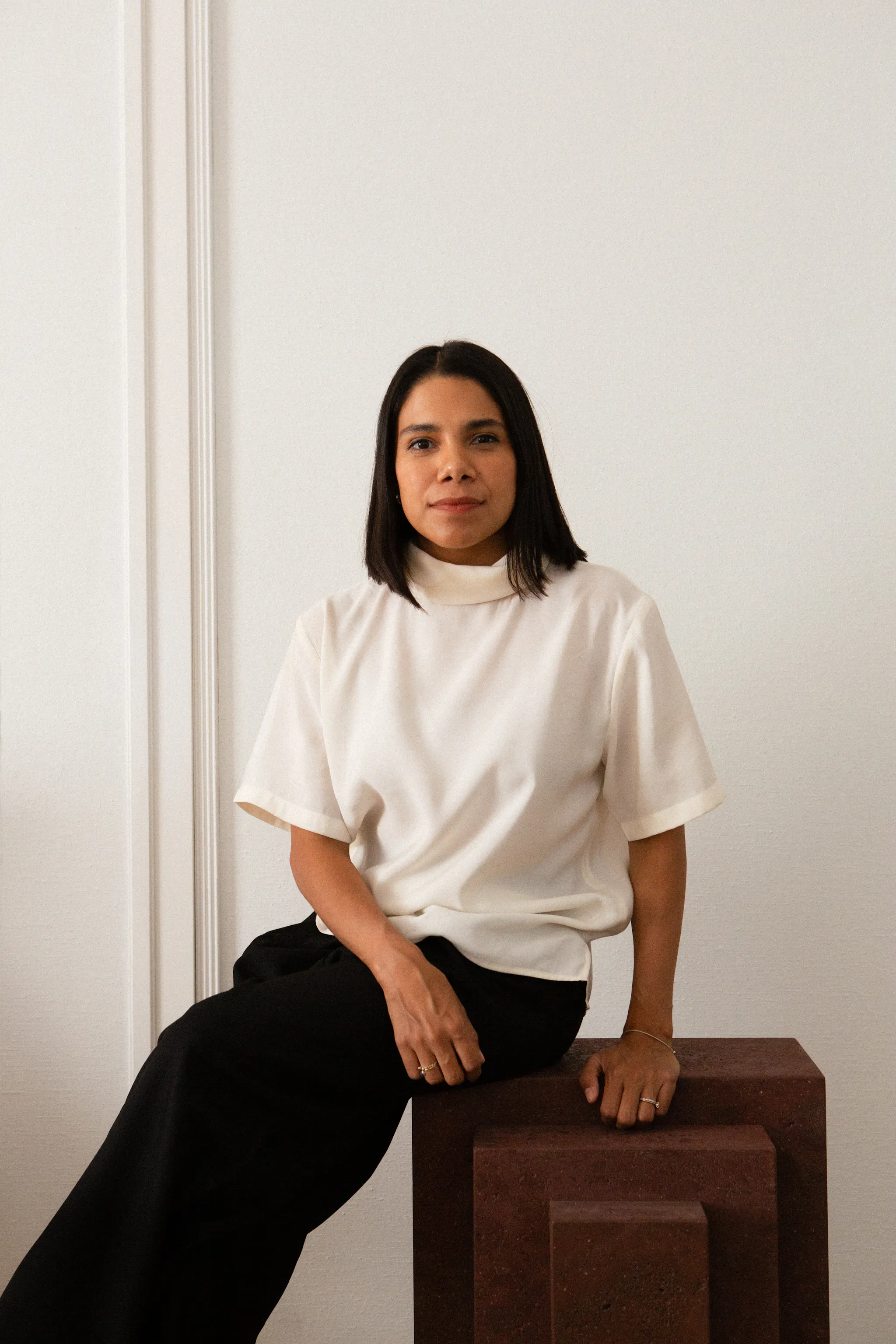
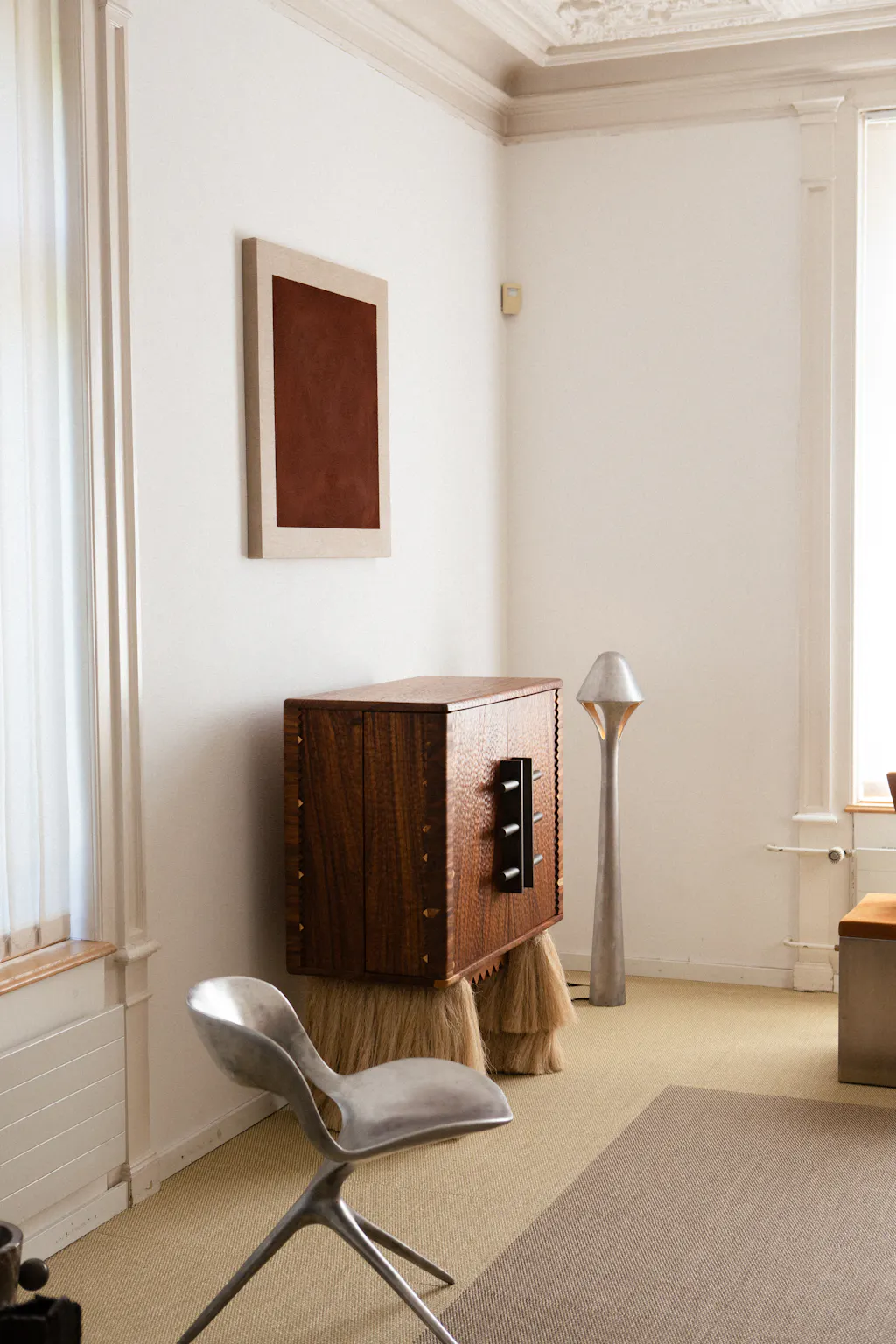
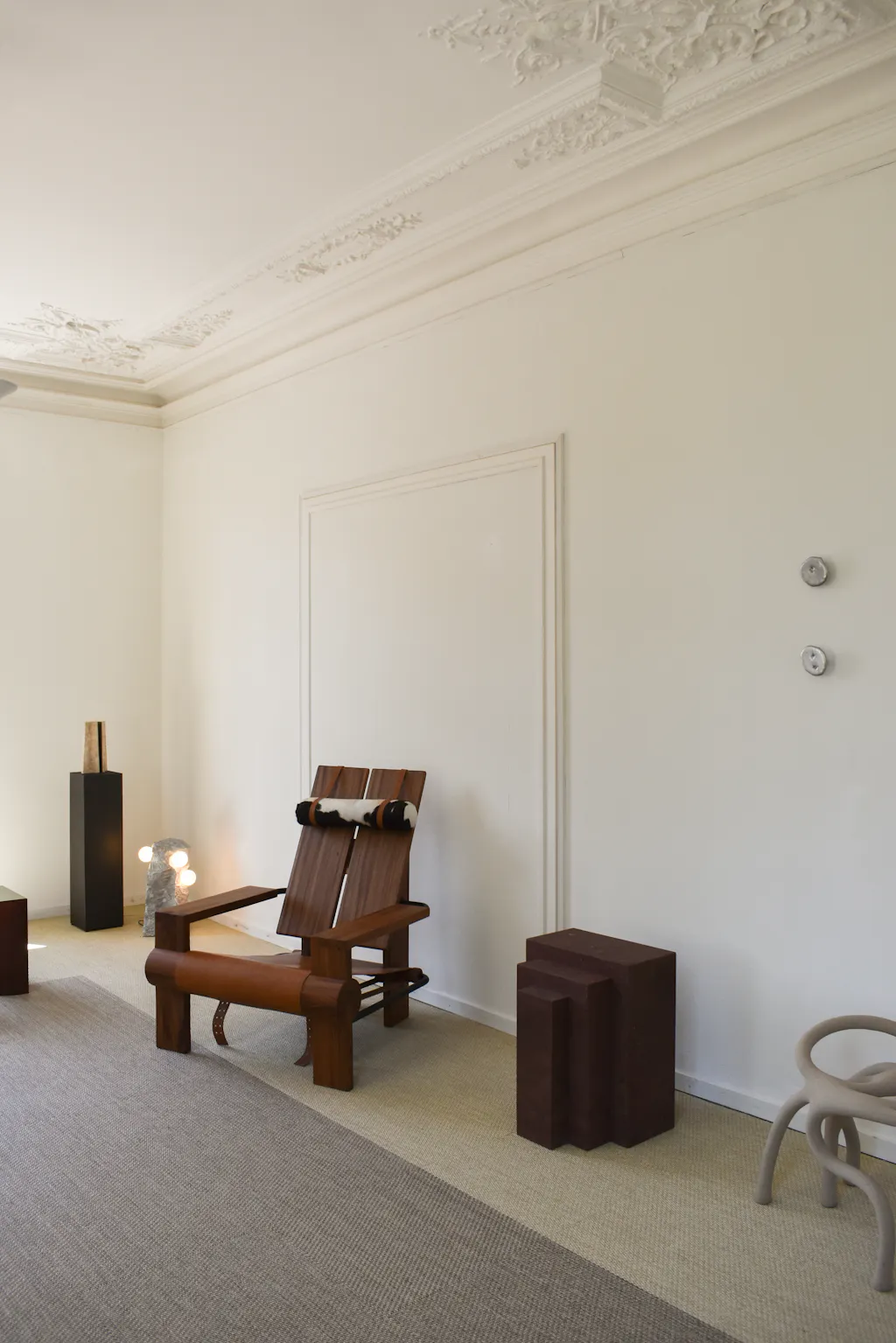
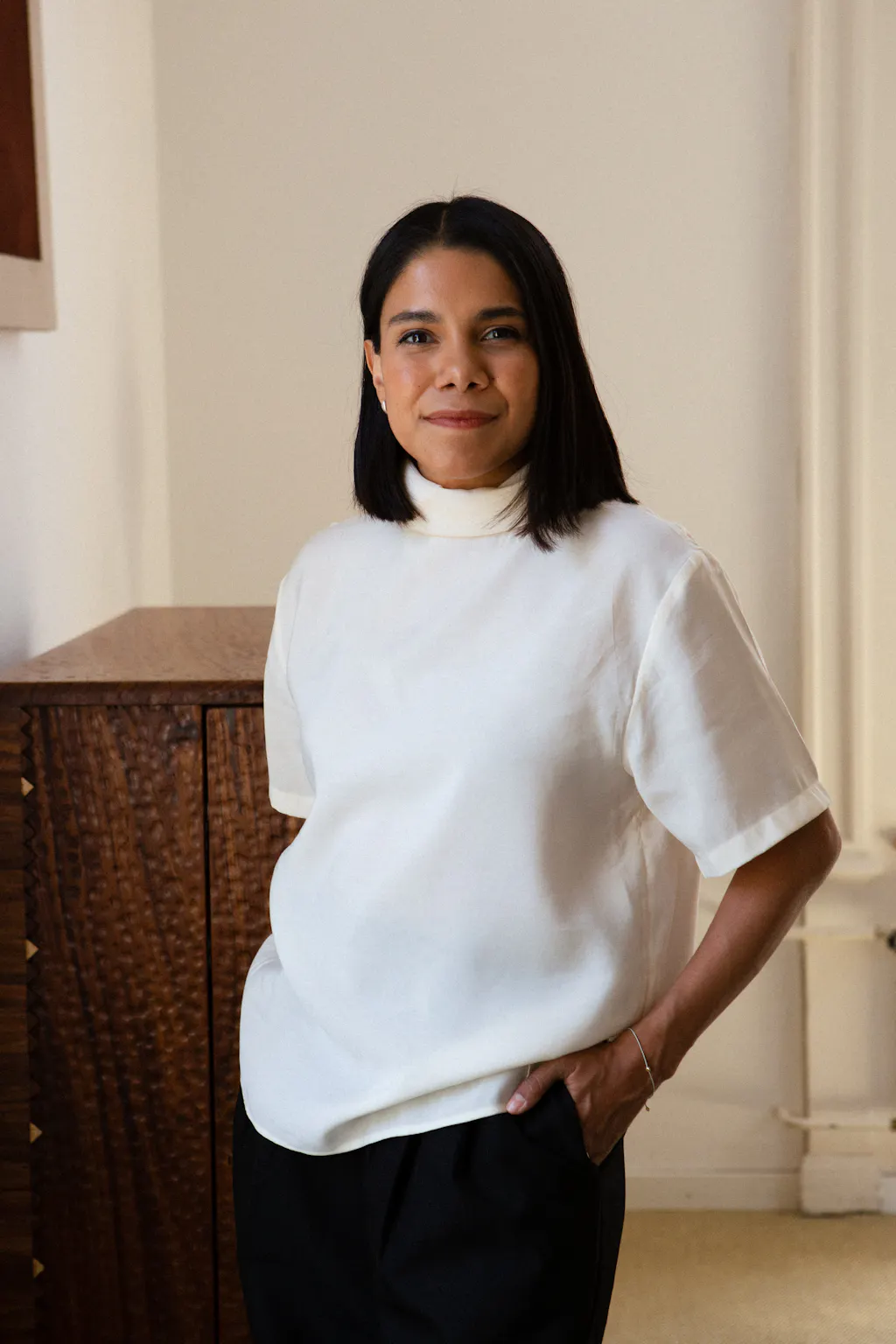
My practice sits at the intersection of design, visual communication, and cultural production — spanning concepts, identities, exhibitions, and experiences. I work both independently and as the founder of Basalto Collective, bringing materiality, craftsmanship, and storytelling together to connect designers, makers, and audiences across borders.
Is there a principle or value that guides your work, regardless of the project?
I care about the details. No matter the kind of project, or how small it might seem, I give it the same attention. That care is what makes something meaningful: it connects with you and makes you feel part of it. I am also drawn to what sits behind an object, an idea, or an identity: the research and thinking behind it, the process, the concept that led to it in the first place.
Who or what is a constant form of inspiration for you?
What inspires me most is when things are happening: a city buzzing, a fair in full swing, that sense of momentum in the air. Travel is where I find this energy, especially when happening through a design lens: design weeks and fairs, architecture and museums, hospitality and the experience of a place. I am all about what I find there: new references, new perspectives, and the people behind them.
À propos de votre travail
Comment décririez-vous votre pratique ou votre studio en une ou deux phrases ?
Ma pratique se déploie au croisement du design, de la communication visuelle et de la production culturelle, qu’il s’agisse de concepts, d’identités, d’expositions ou d’expériences. Je travaille en indépendante, mais aussi en tant que fondatrice de Basalto Collective, où matérialité, savoir-faire et narration se rejoignent pour faire dialoguer designers, artisans et publics au-delà des frontières.
Y a-t-il un principe ou une valeur qui guide votre travail, quel que soit le projet ?
Je porte une attention particulière aux détails. Quel que soit le projet, aussi modeste puisse-t-il paraître, j'y consacre la même attention. C’est cette attention qui rend les choses porteuses de sens : elle crée un lien, il donne l'impression d'en faire partie. Je suis aussi attirée par ce qui se cache derrière un objet, une idée ou une identité : la recherche et la réflexion qui l'ont nourri, le processus, le concept dont il est né.
Qui ou qu'est-ce qui vous inspire de façon constante ?
Ce qui m'inspire le plus, c'est le mouvement – une ville qui vibre, un salon qui bat son plein, cette énergie palpable dans l'air. C'est en voyageant que je retrouve cette énergie, surtout lorsque le voyage se vit à travers le regard du design : semaines et salons professionnels, architecture, musées, hôtellerie, tout ce qui façonne l'expérience d'un lieu. Ce qui compte avant tout, c'est ce que j'y trouve : des références inédites, des angles nouveaux, et les personnes qui les incarnent.

About Zurich Design Weeks
Tell us about the project you are presenting at Zurich Design Weeks! What was the starting point or idea behind it? What do you hope visitors take away from experiencing it?
This year I am involved in two projects.
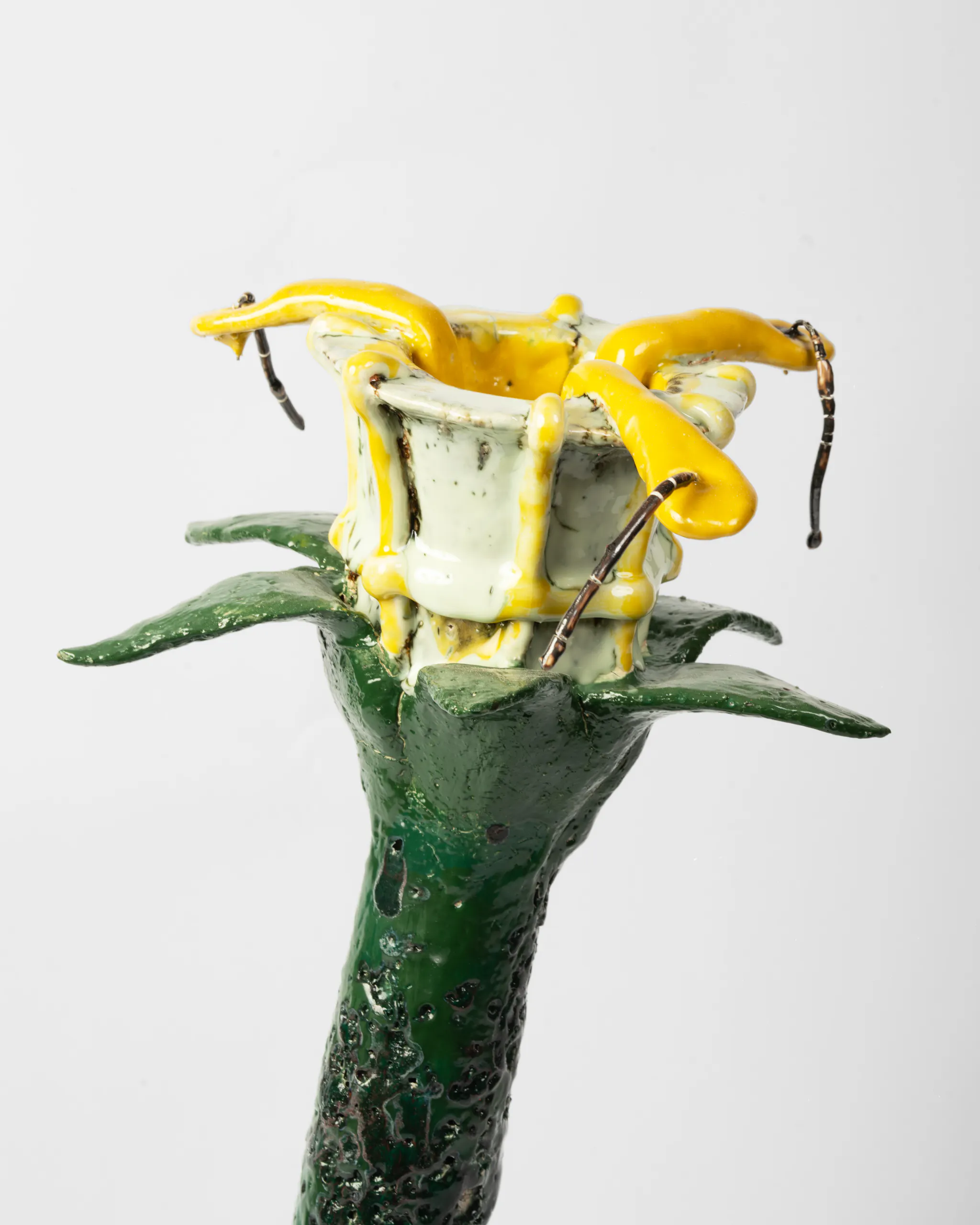
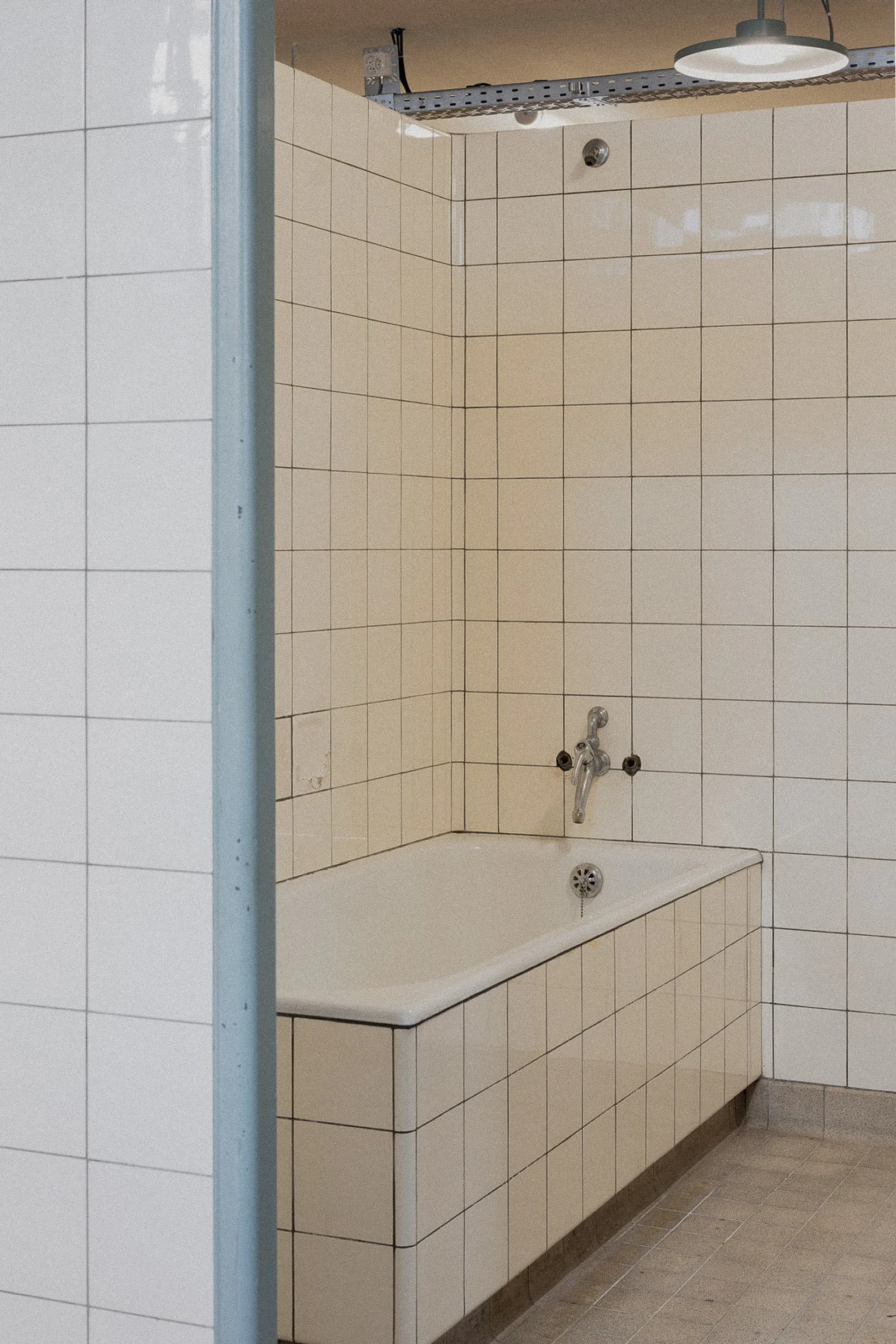
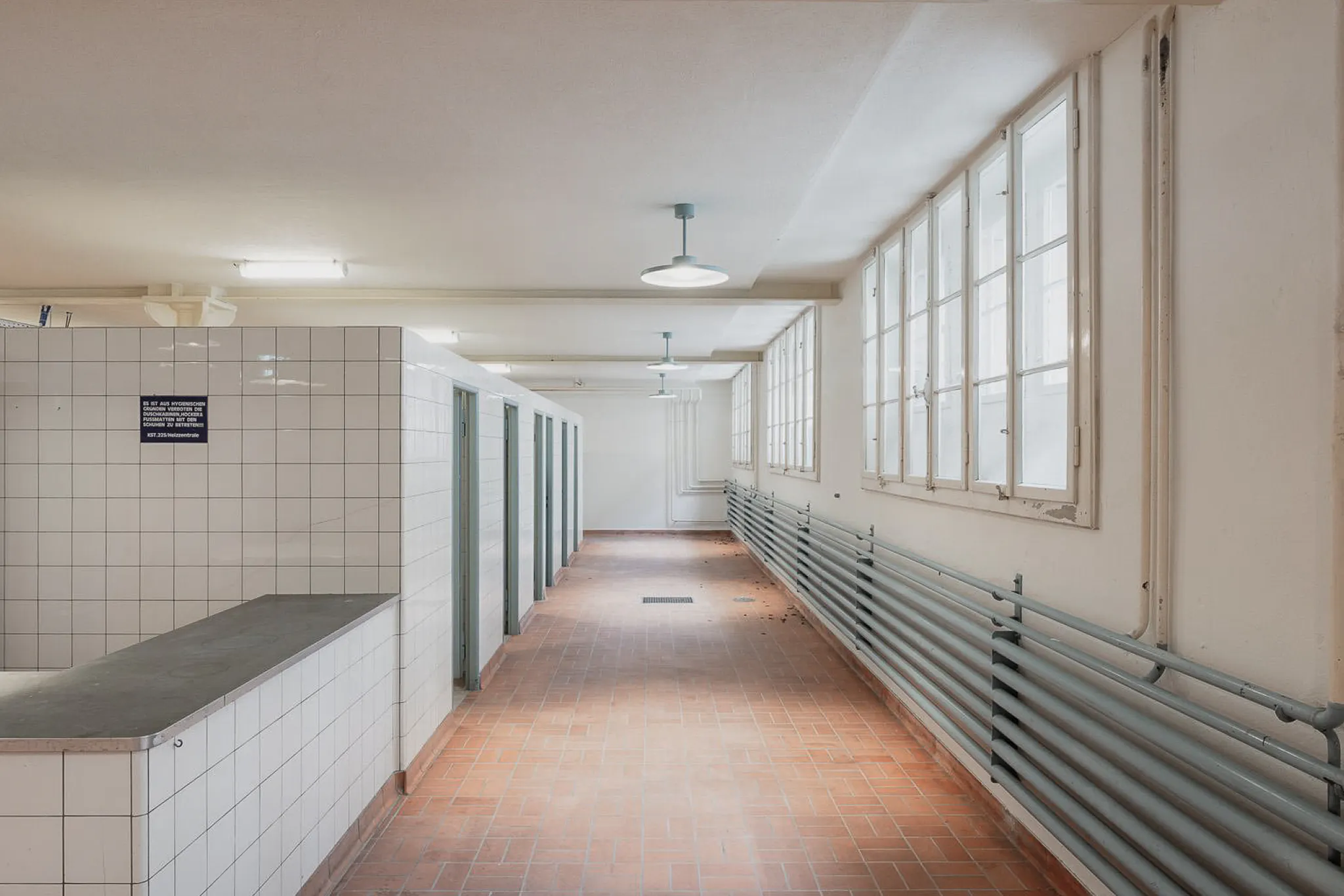
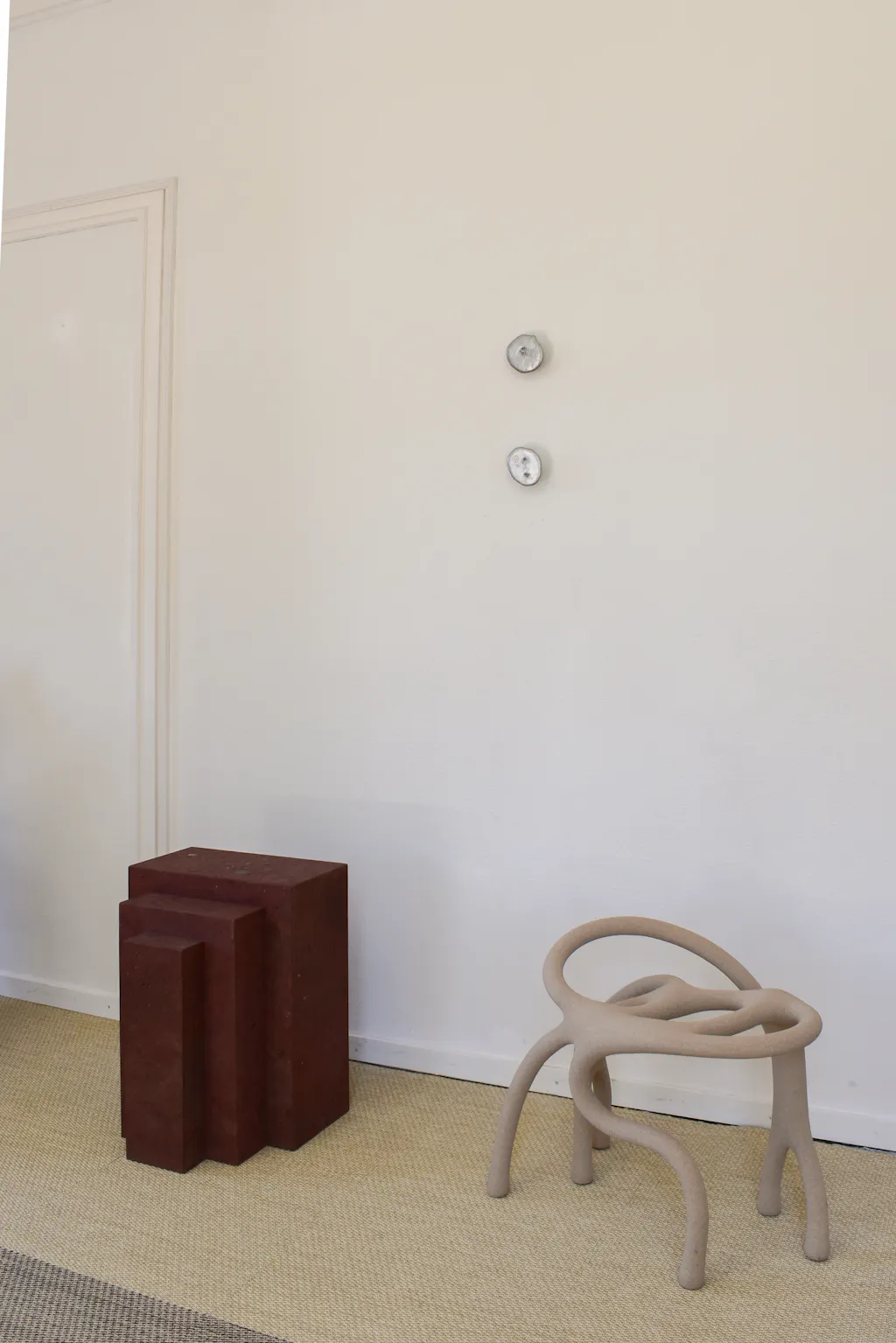
Dislocated Utility: Objects out of Place, curated together with Natascha Madeiski, is a group exhibition in the former Waschraum of the historic SBB Workshops. The starting point was very much the space itself. The former washroom still carries traces of its original function: the shower cabins, tiles, repairs and marks of use remain, even though the routines that once gave the space its purpose are gone. The Waschraum isn't simply a backdrop for the exhibition; it is part of it. There is a dialogue between what was already there and what we are introducing, and even the way people move through the space becomes part of the experience. We became interested in what happens when an object is removed from its expected context and how that shift invites people to question its function and materiality in a new way. The exhibition brings together works by artists, designers and makers, exploring utility and the shifting relationship between objects and the spaces they inhabit.
Out of Matter approaches materiality through another lens. Together with Ferus and Maana Studios, we are exploring the connection between hospitality, design and craftsmanship. It comes together through textiles, furniture, objects and a culinary experience, with material as the common thread running through them.
With both projects, I hope people leave thinking a little differently about the objects and materials around them: where they come from, how they are made, and how their meaning can change depending on where and how we encounter them.
Is there a detail you are hoping someone notices, but probably won't?
For Dislocated Utility: Objects out of Place, some of the traces already in the space have directly influenced how certain works are placed or even created, with details and shapes taken from the room itself. It is easy to miss, but the space isn't just a container for the work; in some cases, it is the origin of it.
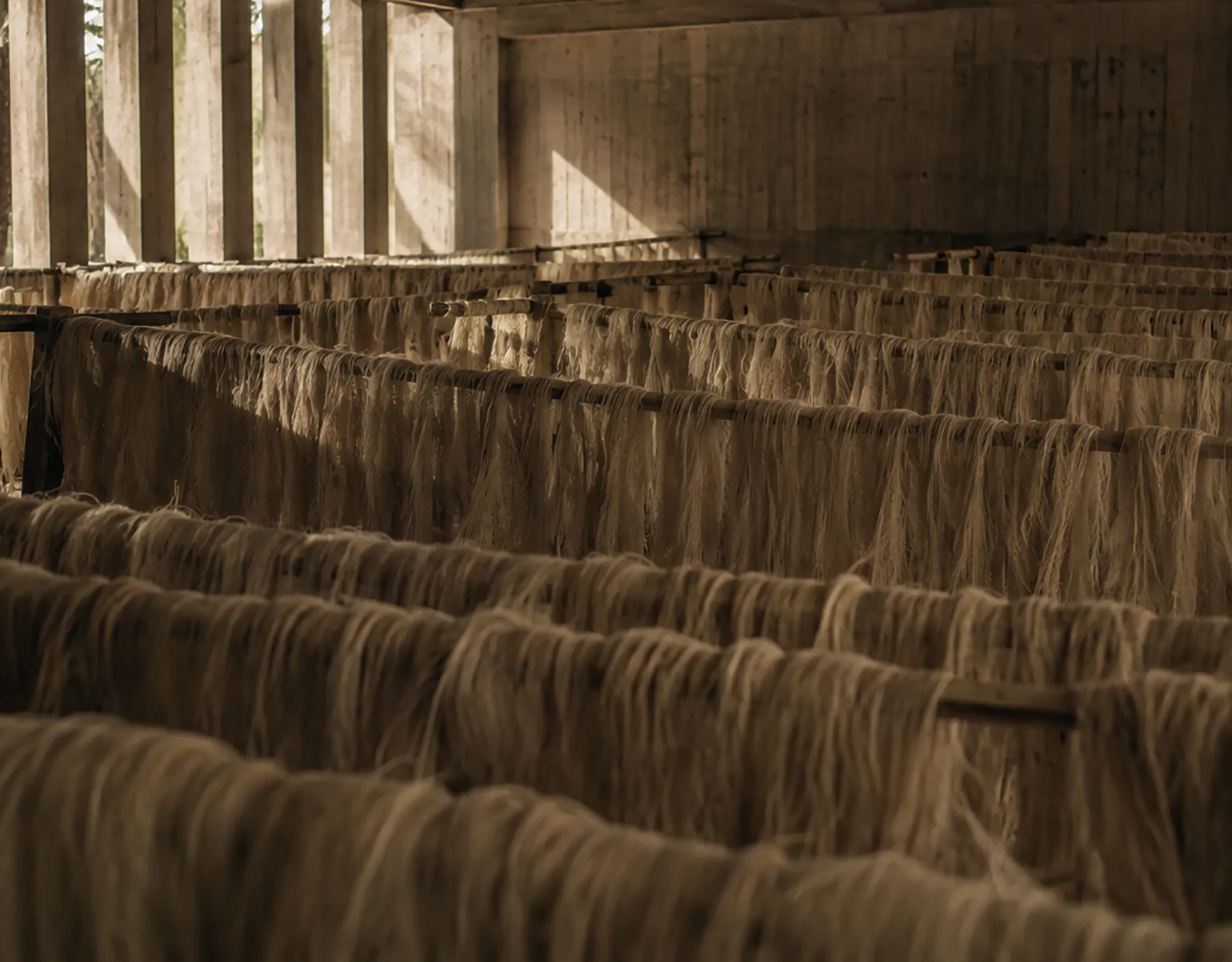
For Out of Matter, the activation connects back to one material: agave. It is not a random choice. It is the material behind one of Basalto Collective's collection pieces and Maana's sisal collection, and it will run through the bar and food experience, too. The whole experience is built so that connection is there to find, for anyone who is looking closely enough to trace it all the way through.
What makes Zurich Design Week worth getting on a plane, train or bus for?
The proximity and range of experiences. You can walk from a show to a studio to a conversation with the person who made the work, often in the same afternoon. It is a scale that lets you actually get close to things. You come across everything from local Swiss design to international exhibitions, designers and artists, each with a different perspective on what design is or how they show it. And as it grows, there is more and more to discover.
À propos de Zurich Design Weeks
Parlez-nous du projet que vous présentez lors de la Zurich Design Weeks ! Quel a été le point de départ ou l'idée derrière ce projet ? Qu'espérez-vous que les visiteurs retiennent de cette expérience ?
Cette année, je participe à deux projets.
Dislocated Utility : Objects out of Place, co-commissariée avec Natascha Madeiski, est une exposition collective installée dans l'ancien Waschraum des ateliers historiques CFF. Le point de départ, c'est avant tout le lieu lui-même. Cet ancien lavoir garde encore les traces de sa fonction d'origine : les cabines de douche, le carrelage, les réparations et les marques d'usage sont toujours là, alors même que les usages qui donnaient autrefois sa raison d’être au lieu ont disparu. Le Waschraum n'est pas un simple décor pour l'exposition, il en fait partie intégrante. Un dialogue s'installe entre ce qui était déjà là et ce que nous y apportons, la manière même dont on se déplace dans l’espace fait partie de l’expérience. Ce qui nous intéressait, c'était de voir ce qui se passe lorsqu'un objet est retiré de son contexte habituel, et comment ce déplacement invite à interroger sa fonction et sa matérialité sous un jour nouveau. L'exposition réunit des œuvres d'artistes, de designers et d'artisans, autour de la notion d'utilité et de la relation mouvante entre les objets et les espaces qu'ils habitent.
Out of Matter aborde la matérialité sous un angle différent. Avec FERUS et Maana Studios, nous explorons le lien entre hospitalité, design et savoir-faire. Le projet se décline à travers le textile, le mobilier, les objets et une expérience culinaire, la matière étant le fil conducteur de l'ensemble.
Avec ces deux projets, j'espère que les visiteurs repartiront en portant un regard un peu différent sur les objets et les matériaux qui les entourent : d'où ils viennent, comment ils sont faits, et comment leur sens peut évoluer selon le lieu et la manière dont on les rencontre.
Y a-t-il un détail que vous espérez que quelqu'un remarque, mais qui passera probablement inaperçu ?
Pour Dislocated Utility : Objects out of Place, plusieurs traces déjà présentes dans l'espace ont directement influencé la manière dont certaines œuvres sont placées, voire créées, avec des détails et des formes empruntés à la pièce elle-même. On peut facilement passer à côté, mais l'espace n'est pas un simple contenant pour les œuvres ; parfois, il en est l'origine.
Pour Out of Matter, l'activation renoue avec un matériau en particulier : l'agave. Ce n'est pas un choix anodin. C'est le matériau derrière l'une des pièces de la collection Basalto Collective et derrière la collection en sisal de Maana, et on le retrouvera aussi dans le bar et l'expérience culinaire. Toute l'expérience est pensée pour que ce lien existe, prêt à être découvert par qui saura y prêter une attention suffisante pour le suivre jusqu'au bout.
Pourquoi vaut-il la peine de prendre l'avion, le train ou le bus pour venir à la Zurich Design Weeks ?
La proximité et la diversité des expériences. On peut passer d'une exposition à un studio, puis à une conversation avec la personne qui a créé l'œuvre, souvent au cours du même après-midi. C'est une échelle qui permet de vraiment se rapprocher des choses. On y croise aussi bien le design suisse local que des expositions, designers et artistes internationaux, chacun avec un regard différent sur ce qu'est le design ou sur la manière de le montrer. Et à mesure qu'elle grandit, il y a toujours plus à découvrir.
About Your Zurich
Why did you decide to make this city your home?
I moved to Zurich from Mexico seven years ago because of love, and I would say it took me around three to four years to really call it home. It happened gradually: building my life here, finding my people, creating my own routines, and slowly becoming part of the city and its creative community. Over time, the lines between friendships, work and community naturally started to overlap, and that really changed my relationship with Zurich. At some point, it simply stopped feeling like the city I had moved to and started feeling like home.
When and where does Zurich surprise you?
Zurich surprises me in the things that aren't loud about themselves. The hidden courtyards you only find by accident, the creative community, people experimenting, collaborating, creating their own opportunities, and doing it with real care. And then there are moments like Art Weekend, Zurich Design Weeks, or the opening of a new gallery season, when everything comes together at once: events, openings, people out and about, moving through the city, and for a second, you see a different side of it all.
If a visitor had one day in Zurich, where would you send them and what would you have them do?
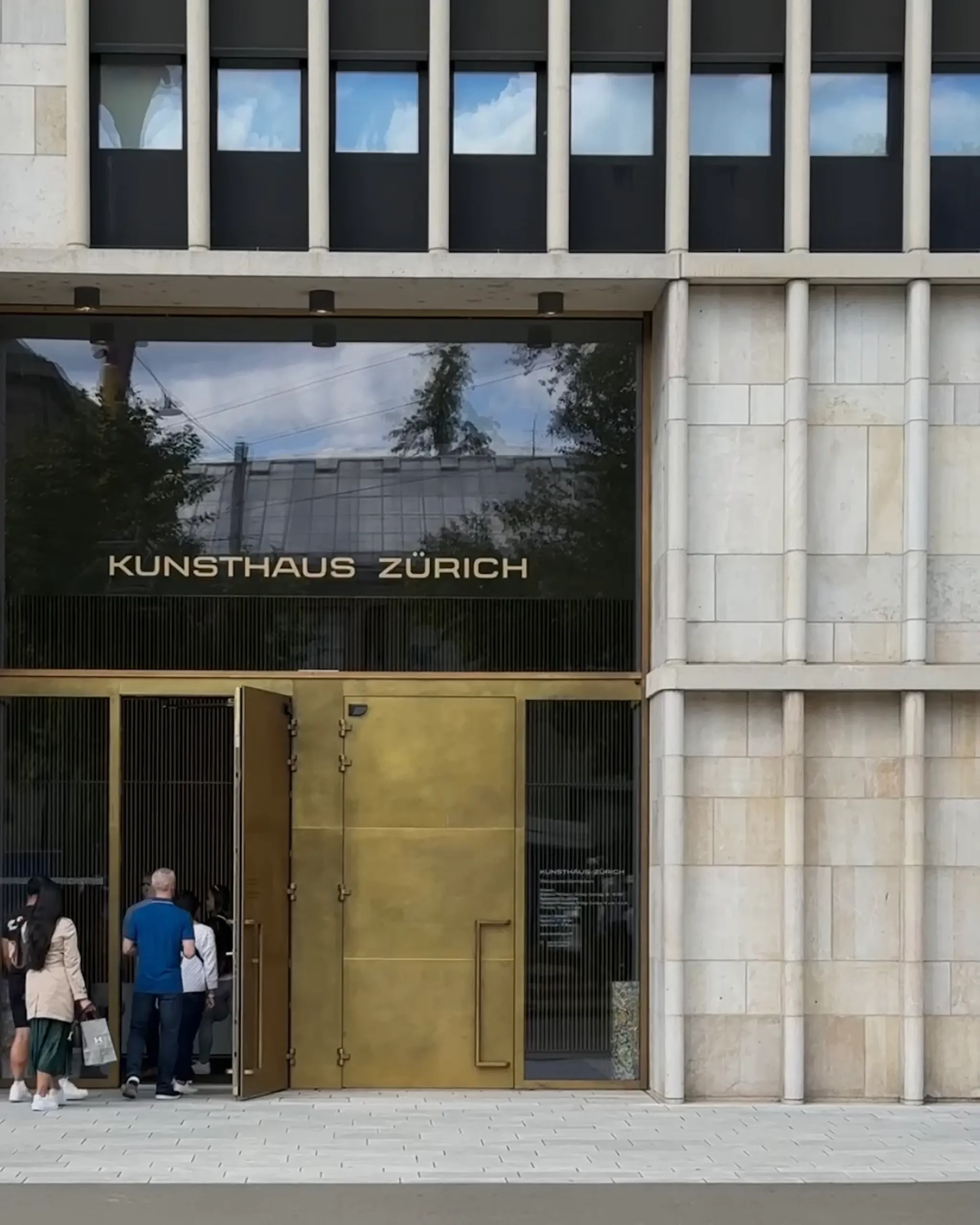
There is a lot you could see, but I would suggest taking it slow. I would start at the market at Bürkliplatz (Tuesday and Friday), right by the lake, then head to Monocle Café for a coffee. From there, I would visit the Pavillon Le Corbusier and walk back along the lake, then up via Rämistrasse, Zurich's gallery mile, to the Kunsthaus.
Later, I would wander through Neumarkt, past galleries, showrooms and boutiques, with a stop at Never Stop Reading. Then I would cross the Limmat, catch a view of the Münsterhof, and get a little lost in the old town, eventually heading towards Löwenbräukunst, finishing with a glass of wine at Coucou.
And I would make sure to leave plenty of room in between. For me, Zurich is best when you don't try to fit too much into one day: walking, stopping along the way, and discovering something you weren't necessarily looking for.
À propos de votre Zurich
Quand, où et pourquoi avez-vous décidé de faire de cette ville votre foyer ?
Je me suis installée à Zurich il y a sept ans, après avoir quitté le Mexique par amour. Je dirais qu’il m’a fallu trois ou quatre ans pour vraiment m’y sentir chez moi. Cela s’est fait progressivement : en construisant ma vie ici, en trouvant mes repères, en créant mes propres habitudes et en m’intégrant peu à peu à la ville et à sa communauté créative. Avec le temps, les frontières entre amitiés, travail et communauté se sont naturellement estompées, ce qui a profondément transformé ma relation avec la ville. À un moment donné, elle a tout simplement cessé d’être la ville dans laquelle j’avais emménagé pour devenir mon chez-moi.
Où et quand Zurich sait-elle encore vous surprendre ?
Dans tout ce qui ne cherche pas à se faire remarquer : les cours intérieures cachées que l’on découvre presque par hasard ; la communauté créative, ces personnes qui expérimentent, collaborent et créent leurs propres opportunités, toujours avec un véritable souci du détail. Et puis il y a des moments comme le Zurich Art Weekend, la Zurich Design Weeks ou l’ouverture de nouvelles galeries, lorsque tout semble converger : les événements, les vernissages, les gens qui sortent et la ville qui s’anime. Pendant un instant, Zurich révèle alors un autre visage.
Si un visiteur avait une seule journée à Zurich, où l'enverriez-vous et que lui feriez-vous faire ?
Il y a beaucoup à voir, mais je conseillerais de prendre son temps. Je commencerais par le marché de Bürkliplatz (le mardi ou le vendredi), juste au bord du lac, avant de filer au Monocle Café pour un café. De là, direction le Pavillon Le Corbusier, puis retour à pied le long du lac, avant de remonter par la Rämistrasse, la rue des galeries à Zurich, jusqu'au Kunsthaus.
Plus tard, je flânerais dans le Neumarkt, entre galeries, showrooms et boutiques, avec un arrêt chez Never Stop Reading. Je traverserais ensuite la Limmat pour profiter de la vue sur le Münsterhof, avant de me perdre un peu dans la vieille ville, direction Löwenbräukunst, pour finir avec un verre de vin au Coucou.
Et je veillerais à laisser beaucoup de place entre chaque étape. Pour moi, Zurich se révèle pleinement lorsqu'on ne cherche pas à tout caser dans une seule journée : marcher, s'arrêter en chemin, et tomber sur quelque chose qu'on ne cherchait pas forcément.
If we wanted to see you in person, which is the one place we would be most likely to bump into you?
For sure at the new Basalto Collective showroom, or on my way there, stopping at Coffee for a slice of banana bread, or at Oko for a longer coffee date.
What is a small, specific Zurich ritual — a walk, a café order, a view — that has become yours?
A morning stroll with my dog and my eight-month-old, walking through our neighbourhood, picking up a cardamom bun from Moon, and heading towards Bullingerplatz to catch the morning sun.
Si l'on voulait vous croiser, quel est l'endroit où l'on aurait le plus de chances de tomber sur vous ?
Au nouveau showroom de Basalto Collective, ou sur le chemin, avec un arrêt chez Coffee pour une part de banana bread, ou chez Oko pour un café plus long, entre amis.
Quel est un petit rituel bien à vous à Zurich – une balade, une commande au café, une vue – qui est devenu vôtre ?
Une balade matinale avec mon chien et mon bébé de huit mois, dans notre quartier, avec un arrêt chez Moon pour une brioche à la cardamome, avant de filer vers Bullingerplatz pour profiter du soleil du matin.
Dislocated Utility: Objects out of Place
17.09.2026 – 27.09.2026
Waschraum, Former SBB Facility, Zurich
instagram.com/objectsoutofplace.ch
Out of Matter
25.09.2026 – 26.09.2026, 11.00 – 19.00 h
Maana Studios Showroom, Grubenstrasse 38, Zurich
Dislocated Utility: Objects out of Place
17.09.2026 – 27.09.2026
Waschraum, ancien site des CFF, Zurich
instagram.com/objectsoutofplace.ch
Out of Matter
25.09.2026 – 26.09.2026, 11.00 – 19.00 h
Maana Studios Showroom, Grubenstrasse 38, Zurich