At the southernmost tip of Mexico's Baja California peninsula, worlds collide: the raw, arid desert and the deep blue Pacific, international high society and the unassuming locals — the los cabeños — bustling activity and profound calm. Los Cabos, in fact, is not a single place but a region made up of San José del Cabo with its colonial charm, the party mecca of Cabo San Lucas, the untouched Cabo del Este, and the largely pristine protected area of Cabo Pulmo — together forming the most densely populated stretch of Baja California.
What is now regarded as a luxurious holiday destination was for centuries a remote outpost of Mexico — unloved, difficult to reach, shaped by isolation and the raw force of nature. Indigenous groups such as the Pericú lived here a modest existence as hunters and gatherers, adapted to a life with almost no water and minimal natural resources. With Spanish colonization in the 17th century came the first missions, which went on to serve as centers of religion and agriculture. Yet the region remained economically insignificant. Piracy, natural disasters, and disease prevented any lasting development, and well into the 20th century, Los Cabos was, above all, one thing: far from everywhere. A drawback. And an allure.
Am südlichsten Zipfel der mexikanischen Halbinsel Baja California treffen Welten aufeinander: die raue, karge Wüste und der tiefblaue Pazifik, die internationale High Society und die genügsamen Locals, los cabeños, geschäftiges Treiben und endlose Stille. Los Cabos ist dabei kein einzelner Ort, sondern eine Region, bestehend aus San José del Cabo mit seinem kolonialen Charme, dem Party-Mekka Cabo San Lucas, dem ursprünglichen Cabo del Este und dem weitgehend unberührten Schutzgebiet Cabo Pulmo – die am dichtesten bevölkerte Gegend von Baja California.
Was heute als luxuriöse Feriendestination gilt, war lange ein abgelegener Aussenposten Mexikos, unbeliebt, unwegsam, geformt von Isolation und Naturgewalten. Indigene Gruppen wie die Pericú lebten hier eine bescheidene Existenz, Jäger und Sammler, angepasst an ein Leben fast ohne Wasser und mit minimalen natürlichen Ressourcen. Mit der spanischen Kolonialisierung im 17. Jahrhundert entstanden erste Missionen, die fortan als religiöse und landwirtschaftliche Zentren dienten. Doch die Region blieb wirtschaftlich unbedeutend. Piraterie, Naturkatastrophen und Krankheiten verhinderten eine nachhaltige Entwicklung, und bis weit ins 20. Jahrhundert war Los Cabos vor allem eines: weit weg von allem. Ein Nachteil. Und ein Reiz.

Because Los Cabos was first a place for wild men with boats, and only much, much later one for villas with infinity pools. In the 1950s, long before there was an airport or paved roads, actors like John Wayne, Bing Crosby, and Gene Autry came not for the beaches or luxury resorts, but for the legendary deep-sea fishing and the sheer remoteness. Their visits — often under the most basic conditions — laid the foundation for Los Cabos's reputation as an exclusive retreat for those in the know. For more than two decades, that's exactly what it remained.
The turning point came in the 1970s. The Mexican government recognized the region's tourism potential and designated Los Cabos a so-called "Centro Integralmente Planeado" — a purpose-built tourism zone in which infrastructure and leisure offerings were developed systematically. With the construction of an international airport, the first hotels, golf courses, and a high-quality road network, development of the peninsula gathered pace. Stars such as Frank Sinatra, Lucille Ball, and Desi Arnaz, and later George Clooney, Madonna, and Leonardo DiCaprio, counted among the prominent guests who further underscored the peninsula's exclusive character — no longer just on boats with fishing rods, but in villas and resorts offering comfort and security. The myth of remoteness was skillfully merged with modern luxury: a place where one could be seen — and still remain unobserved.
Denn Los Cabos war zuerst ein Ort für wilde Männer mit Booten, und erst viel, viel später einer für Villen mit Infinity-Pools. In den 1950er-Jahren, noch lange vor Flughafen und befestigten Strassen, kamen Schauspieler wie John Wayne, Bing Crosby oder Gene Autry nicht wegen Stränden oder Luxusresorts, sondern wegen des legendären Hochseefischens und der völligen Abgeschiedenheit. Ihre Besuche – oft unter einfachsten Bedingungen – begründeten den Ruf von Los Cabos als exklusiven Rückzugsort für Eingeweihte. Über zwei Dekaden lang sollte es genau das bleiben.
Der Wendepunkt kam in den 1970er-Jahren. Die mexikanische Regierung erkannte das touristische Potenzial der Region und erklärte Los Cabos zu einem sogenannten «Centro Integralmente Planeado» – einem gezielt geplanten Tourismusgebiet, in dem Infrastruktur und Freizeitangebote systematisch entwickelt wurden. Mit dem Bau des internationalen Flughafens, der ersten Hotels, Golfplätze und eines hochwertigen Strassennetzes nahm die Entwicklung der Halbinsel Fahrt auf. Stars wie Frank Sinatra, Lucille Ball und Desi Arnaz und später George Clooney, Madonna und Leonardo DiCaprio zählten zu den prominenten Gästen, die den exklusiven Charakter der Halbinsel weiter unterstrichen – nun nicht mehr nur auf Booten mit Angelrute, sondern in Villen und Resorts, die Komfort und Sicherheit boten. Der Mythos der Abgeschiedenheit wurde geschickt mit modernem Luxus kombiniert: als ein Ort, an dem man gesehen werden konnte – und trotzdem unbeobachtet blieb.
Today, Los Cabos ranks among Mexico's most important tourism hubs. The region is a magnet for luxury travellers from the US, Canada, and increasingly Europe. With more than 18,500 hotel rooms, it has one of the highest concentrations of premium accommodations in Latin America, among them renowned names such as Four Seasons, Ritz-Carlton, Montage, and Waldorf Astoria. Next spring is set to bring the opening of Amanvari, the long-awaited Mexico debut of the Aman group. Shortly after, Soho House Los Cabos is slated to open in Cabo del Sol — one of the peninsula's most prestigious addresses — marking the first Soho House in a Latin American holiday destination. Los Cabos is booming — and it's more than easy to see why.
Los Cabos is often described as Mexico light: the area is remarkably clean, safe, well organised, and finely tuned to the needs of European and, above all, North American guests. For many travelers, this means a stress-free entry point into Mexican life — sun, sea, joyful music, colourful houses, aromatic cuisine — without having to confront the complex realities and dangers of a country still working through its challenges. Here, one can display what one has earned in life — the watch, the designer fashion — without a flicker of discomfort; one can order the dishes of home in one's own language; and upon returning home, there's still a stamp in the passport to prove that one — every inch the citizen of the world — has stepped outside the safe harbour of the global West. That's exactly what makes Los Cabos so appealing to many. And, to others, so interchangeable.
Heute zählt Los Cabos zu den wichtigsten Tourismuszentren Mexikos. Die Region ist ein Magnet für Luxusreisende aus den USA, Kanada und inzwischen auch Europa. Mit mehr als 18 500 Hotelzimmern zählt sie zu den Regionen mit der höchsten Dichte an Premium-Unterkünften in Lateinamerika, unter ihnen renommierte Ketten wie das Four Seasons, Ritz‑Carlton, Montage oder Waldorf Astoria. Im kommenden Frühling soll das Amanvari eröffnet werden, das lange ersehnte Mexiko-Debut der Aman-Gruppe. Wenig später soll mit dem Soho House Los Cabos in Cabo del Sol – einer der prestigeträchtigsten Adressen der Halbinsel – das erste Soho House in einer lateinamerikanischen Feriendestination eröffnen. Los Cabos boomt – und es ist mehr als nachvollziehbar, warum.
Los Cabos wird oft als Mexiko light bezeichnet: Die Gegend ist unglaublich sauber, sicher, gut organisiert und perfekt auf die Bedürfnisse europäischer und vor allem nordamerikanischer Gäste abgestimmt. Für viele Reisende bedeutet das einen stressfreien Einstieg in das mexikanische Leben: Sonne, Meer, fröhliche Musik, bunte Häuser und aromatische Küche – ohne sich mit den komplexen Realitäten und Gefahren eines herausgeforderten Landes auseinandersetzen zu müssen. Hier darf jeder ohne Unwohlsein zur Schau tragen, was er sich im Leben erarbeitet hat – die Uhr, die Designermode –, er darf in seiner Sprache nach den Gerichten seiner Heimat fragen und hat, wenn er dann wieder zuhause ist, doch einen Stempel im Pass, der davon zeugt, dass er – ganz der Weltbürger, ganz die Weltbürgerin – den sicheren Hafen des globalen Westens verlassen hat. Genau das macht Los Cabos für viele attraktiv. Und für andere austauschbar.
Those of us who belong to the second group — myself included — only fall under the region's spell once we leave the two population centres of San José and San Lucas behind. Because — as is so often true in this world — the distance from chaos to wonder is a short one. My journey first takes me north, along the Pacific coast, into the picturesque lanes of Todos Santos. Nestled between desert, palm groves, and the foothills of the Sierra de la Laguna, this small town — founded as a Jesuit mission in 1723 — is a place of colonial buildings with bougainvillea spilling down crumbling walls, of shaded courtyards where people gather over home-roasted coffee, of artists, writers, and dropouts finding their way here. For many, Todos Santos is the cultural, quiet heart of Baja California Sur. It took me less than ten minutes to understand why. It's a place to linger. Most stay a few days. Many stay forever.
If Todos Santos is the region's quiet heart, its wild one is found along the rutted sand roads of Cabo del Este, the East Cape. Here, adventurous travellers can still find the Baja California that once captivated John Wayne: a breathtakingly beautiful wilderness. Anyone wanting to travel this stretch needs, above all, one thing: patience. Where highways rule elsewhere, gravel reigns here; instead of hotel complexes, the landscape is shaped by scrubland, the deep blue of the Mar de Cortés, and villas scattered few and far between. The hoteliers who settle here do so with only a handful of guest rooms, catering to those in search of luxury in simplicity, and strength in stillness. Rather than partying into the small hours, life at Cabo del Este celebrates the sun rising out of the sea at dawn: through yoga, surfing, or — myself included — doing absolutely nothing, leaning against a sand dune with a cup of hot coffee. Here on the East Cape, the music plays slow, just as it always has, and no one who comes here wants it any other way.
Wer der zweiten Gruppe angehört – ich – erliegt der Magie der Region erst, wenn er die zwei Ballungszentren San José und San Lucas verlässt. Denn – wie so oft auf der Welt – ist der Weg von Wirbel zu Wunder ein kurzer. Meine Reise führt mich zuerst in Richtung Norden, entlang der Pazifikküste, in die malerischen Gassen von Todos Santos. Eingebettet zwischen Wüste, Palmenhainen und den Ausläufern der Sierra de la Laguna lebt man in dem 1723 als Jesuitenmission gegründeten Städtchen in Kolonialbauten mit Bougainvillea an den bröckelnden Mauern, trifft man sich hier in lauschigen Innenhöfen auf selbstgerösteten Kaffee, findet man sich hier unter Künstlern, Schriftstellerinnen und Aussteigern. Für viele ist Todos Santos das kulturelle, stille Herz von Baja California Sur. Es dauerte keine zehn Minuten, bis ich verstehe, weshalb. Es ist ein Ort zum Verweilen. Die meisten bleiben ein paar Tage. Viele bleiben für immer.
Wenn Todos Santos das stille Herz der Region ist, findet man sein wildes auf den holprigen Sandstrassen des Cabo del Este, dem Ostkap. Hier finden Abenteuerwillige noch das Baja California, wie es einst John Wayne in seinen Bann zog: als atemberaubend schöne Wildnis. Wer hier entlang will, muss vor allem eines mitbringen: Geduld. Wo sonst Schnellstrassen regieren, herrscht hier Schotter; statt Hotelkomplexen prägen hier Buschland, das tiefe Blau des Mar de Cortés und einzeln verstreute Villen das Landschaftsbild. Die Hoteliers, die sich hier ansiedeln, tun dies mit einigen wenigen Gästezimmern, ausgerichtet auf diejenigen, die den Luxus im Einfachen suchen, und die Kraft in der Stille. Statt bis tief in die Nachtstunden zu feiern, zelebriert man am Cabo del Este, wie die Sonne frühmorgens aus dem Meer steigt – beim Yoga, Surfen oder – ich – mit einer Tasse heissen Kaffees nichts-tuend gegen eine Sanddüne gelehnt. Hier am Ostkap spielt die Musik langsam, noch genau wie damals, und keiner, der herkommt, möchte es anders.
Because if there's one place that makes clear just how much a local community can accomplish, it's Cabo Pulmo. The small village on the east coast sits directly beside one of the oldest coral reefs in the Sea of Cortez — a place the legendary French underwater explorer Jacques Cousteau once described, with reverence, as "the world's aquarium." In the 1990s, this ecosystem — like so many of its kind — stood on the brink of collapse: overfishing, illegal fishing practices, and a lack of regulation had dramatically depleted fish stocks. It was the villagers themselves who recognized that their long-term survival was inseparably tied to the health of the sea, and who began pushing, actively and forcefully, for the creation of a marine protected area — a radical step in a region where fishing had been the foundation of livelihoods for generations. The government listened to its citizens: in 1995, Cabo Pulmo was officially declared a national park.
The changes came faster than many had expected. Within just a few years, fish stocks had recovered, predator fish returned, and the reef became one of the most successful examples of marine regeneration anywhere in the world. The locals have since acted as watchful guardians of their park: they patrol the waters, report illegal activity, and today run small-scale, carefully controlled ecotourism — from diving schools to snorkeling excursions to simple accommodations, all functioning as a deliberate counterpoint to the mass tourism of the past. Guided by local control, transparency, and the understanding that economic gain only works alongside an intact ecosystem, Cabo Pulmo today stands as a model for what tourism should be. What tourism must be.
Denn wenn irgendwo deutlich wird, wie stark eine lokale Gemeinschaft etwas bewegen kann, dann in Cabo Pulmo. Das kleine Dorf an der Ostküste liegt direkt an einem der ältesten Korallenriffe im Golf von Kalifornien – ein Ort, den der legendäre französische Unterwasserforscher Jacques Cousteau ehrfürchtig als «The World’s Aquarium» bezeichnet hat. In den 1990er-Jahren stand dieses Ökosystem – wie so viele seiner Art – kurz vor dem Kollaps: Überfischung, illegale Fangmethoden und fehlende Regulierung hatten die Fischbestände dramatisch dezimiert. Und es waren die Dorfbewohner, die erkannten, dass ihr langfristiges Überleben untrennbar mit dem Zustand des Meeres verbunden war, und begannen, sich aktiv und mit Nachdruck für die Schaffung eines Meeresschutzgebiets einzusetzen – ein radikaler Schritt in einer Region, in der Fischerei über Generationen hinweg die Lebensgrundlage gewesen war. Die Regierung gab ihren Bürgerinnen und Bürgern Gehör: 1995 wurde Cabo Pulmo offiziell zum Nationalpark erklärt.
Die Veränderungen zeigten sich schneller, als viele erwartet hätten. Schon nach wenigen Jahren erholten sich die Fischbestände, Raubfische kehrten zurück und das Riff wurde zu einem der erfolgreichsten Beispiele für marine Regeneration weltweit. Die Einheimischen agieren seither als wachsame Hüter ihres Parks: Sie patrouillieren die Gewässer, melden illegale Aktivitäten und betreiben heute vor allem kleinen, kontrollierten Ökotourismus – von Tauchschulen über Schnorchelausflüge bis hin zu einfachen Unterkünften, die als bewusster Gegenpol zum Massentourismus von damals fungieren. Geleitet von lokaler Kontrolle, Transparenz und der Erkenntnis, dass wirtschaftlicher Gewinn nur mit einem intakten Ökosystem funktioniert, ist Cabo Pulmo so heute ein Vorzeigebeispiel dafür, was Tourismus sein soll. Was Tourismus sein muss.
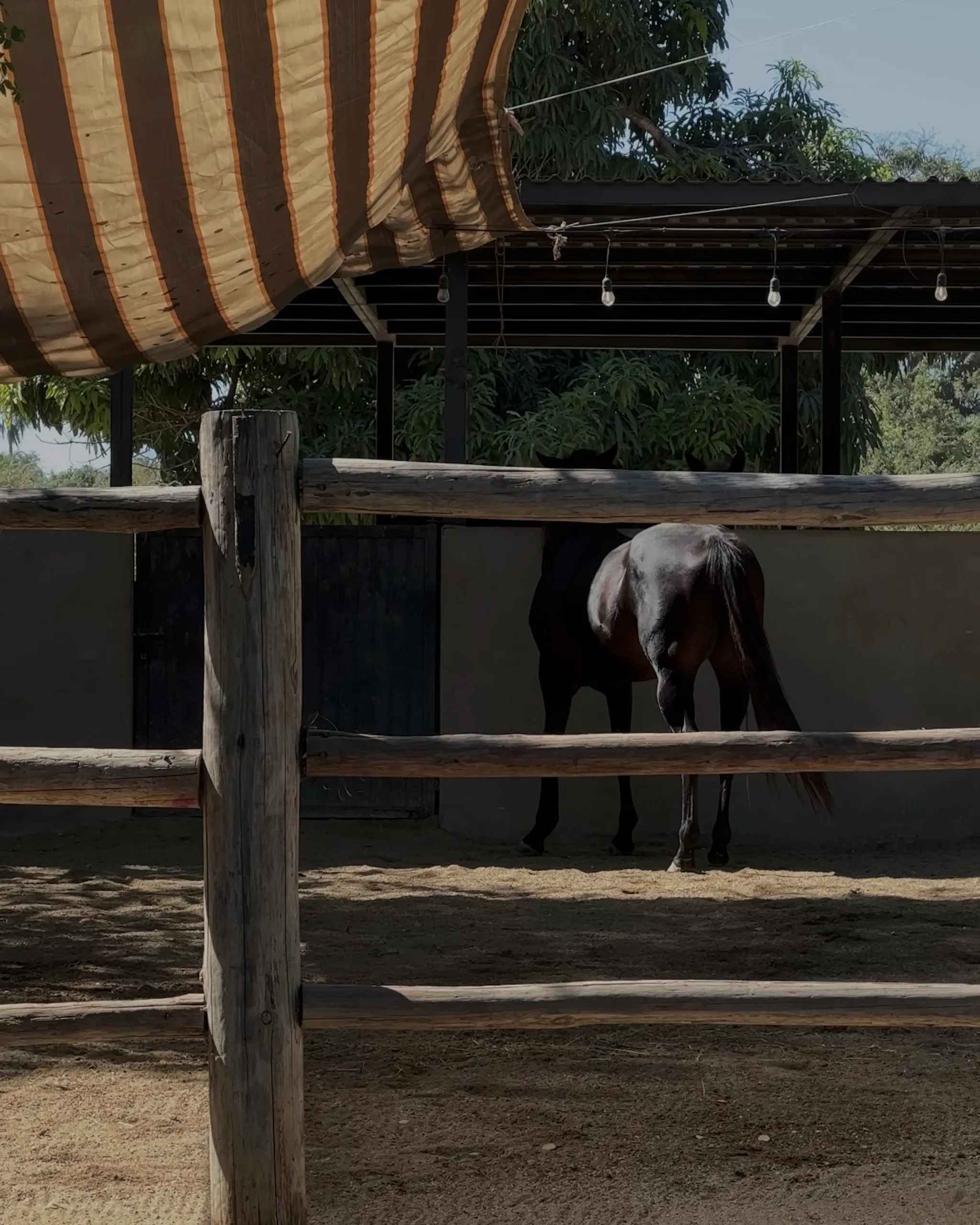
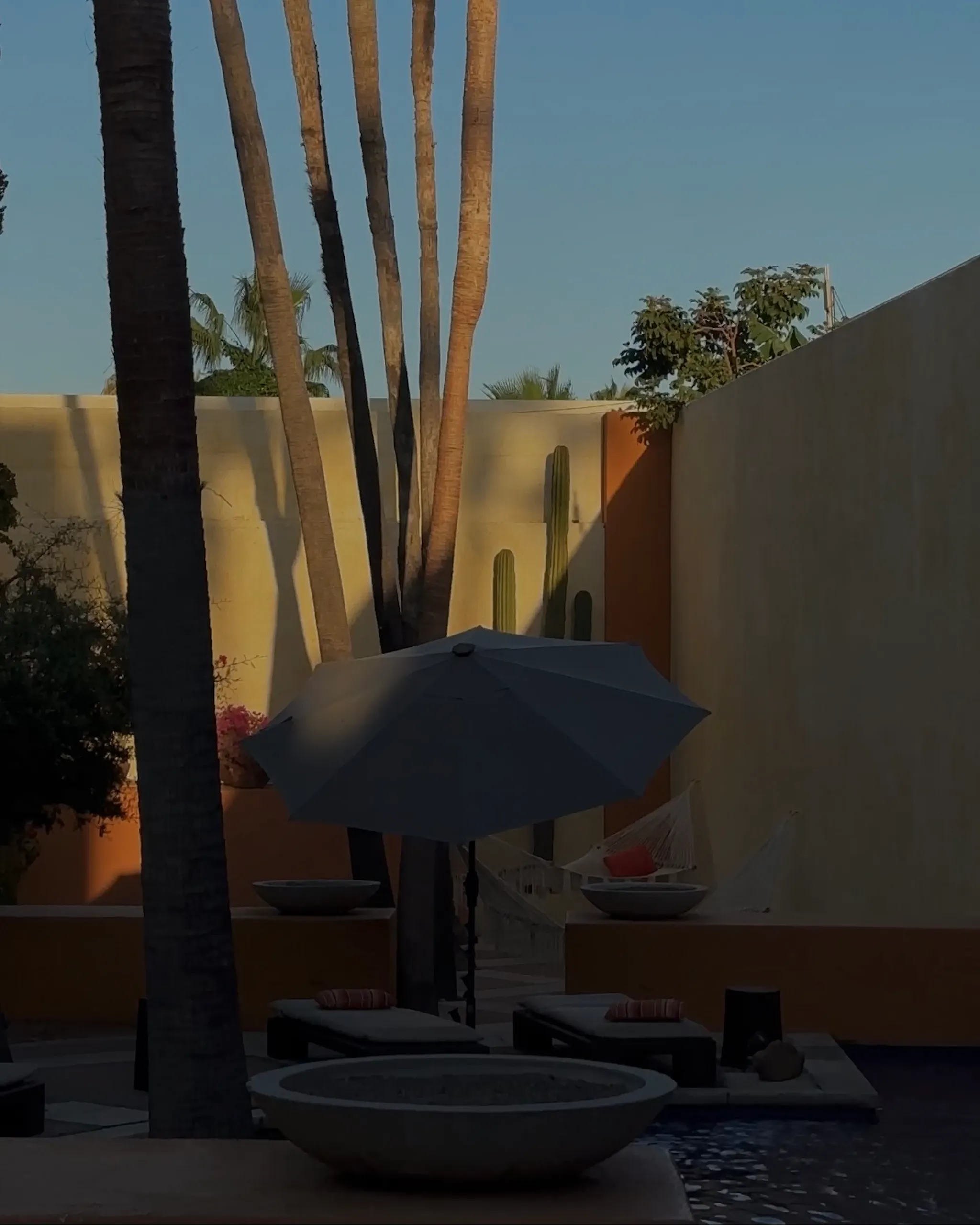
And perhaps that is exactly where the future of Los Cabos lies: not merely as the perfect destination to soak up the sun, but as a region that demonstrates how growth, environment, and local identity can be held in balance. Because what is this beautiful deserves to be protected, deserves to be preserved. By everyone. Forever.
Und hoffentlich liegt genau darin die Zukunft von Los Cabos: nicht nur als perfekte Sonnentankdestination, sondern als Region, die vorlebt, wie Wachstum, Umwelt und lokale Identität im Gleichgewicht gehalten werden können. Denn was so schön ist, gehört beschützt, gehört bewahrt. Von allen. Für immer.