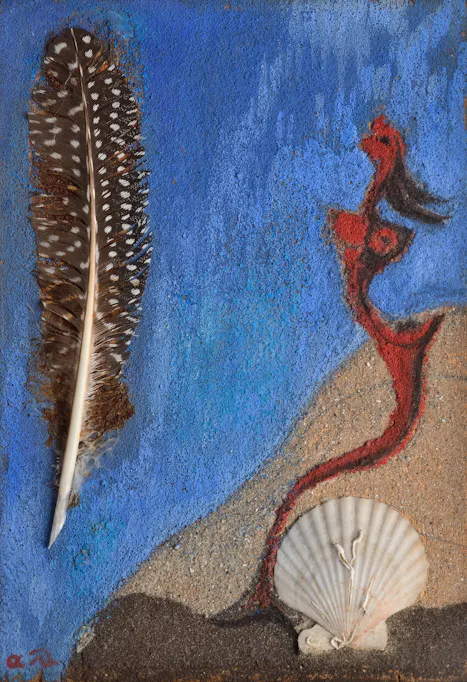
Peggy Guggenheim in London.
The Making of a Collector
Royal Academy, London
Long before her palazzo on the Grand Canal, Peggy Guggenheim (1898–1979) learnt her trade in London. In January 1938, she opened her first gallery, Guggenheim Jeune, on Cork Street, just around the corner from the Royal Academy, and showed artists from Kandinsky and Sophie Taeuber-Arp to Barbara Hepworth and Eileen Agar to a city not yet quite ready for them. The gallery lasted barely eighteen months, but it was there that an heiress with a restless eye became one of the defining collectors of the twentieth century. Bringing together works first shown at Guggenheim Jeune with others from the same years, the exhibition now returns, after a summer in Venice, to the neighbourhood where it all began.
Bien avant son palazzo sur le Grand Canal, Peggy Guggenheim (1898-1979) fait ses premières armes à Londres. En janvier 1938, elle ouvre sa première galerie, Guggenheim Jeune, sur Cork Street, à deux pas de la Royal Academy. De Kandinsky et Sophie Taeuber-Arp à Barbara Hepworth et Eileen Agar, elle y expose des artistes que la capitale britannique n’est pas encore tout à fait prête à accueillir. L’aventure ne dure que dix-huit mois à peine, mais elle suffit à faire d’une héritière au regard insatiable l’une des grandes collectionneuses du 20e siècle. Réunissant des œuvres montrées chez Guggenheim Jeune et d’autres de la même époque, l’exposition revient aujourd’hui, après un été à Venise, dans le quartier où tout a commencé.
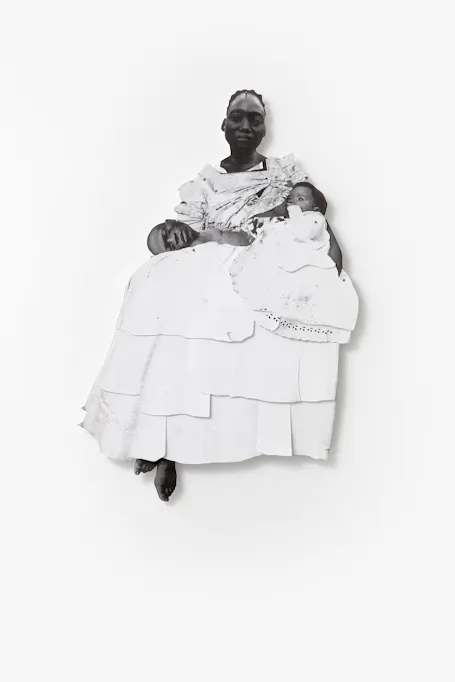
An Infinite Woman. Black Archives in Two Acts
Kanal, Brussels
In 1925, Citroën sent a convoy of vehicles across Africa on La Croisière Noire, an expedition that brought back, among much else, an image: the elongated profile of a Mangbetu woman, soon one of the most widely circulated colonial emblems of its time. An Infinite Woman traces that image in two acts, first through the magazines, films and exhibitions that turned it into an ethnographic fetish, then through artists of the African diaspora, from Faith Ringgold to Carrie Mae Weems and Lorraine O’Grady, who take it apart and claim it back. Staged in the former Citroën garage that now houses Kanal-Centre Pompidou, the exhibition turns a critical eye on the building’s own past. It is one of ten shows with which Brussels’ long-awaited new museum finally opens its doors.
En 1925, la Croisière noire de Citroën traverse l’Afrique et en rapporte, entre autres, une image : le profil allongé d’une femme mangbetu, bientôt l’un des emblèmes coloniaux les plus diffusés de son temps. An Infinite Woman suit cette image en deux actes, d’abord à travers les magazines, les films et les expositions qui en ont fait un fétiche ethnographique, puis chez des artistes de la diaspora africaine, de Faith Ringgold à Carrie Mae Weems et Lorraine O’Grady, qui la déconstruisent pour mieux se la réapproprier. Présentée dans l’ancien garage Citroën qui abrite désormais Kanal-Centre Pompidou, l’exposition pose un regard critique sur le passé du bâtiment lui-même. Elle est l’un des dix rendez-vous avec lesquels le nouveau musée bruxellois, si longtemps attendu, ouvre enfin ses portes.
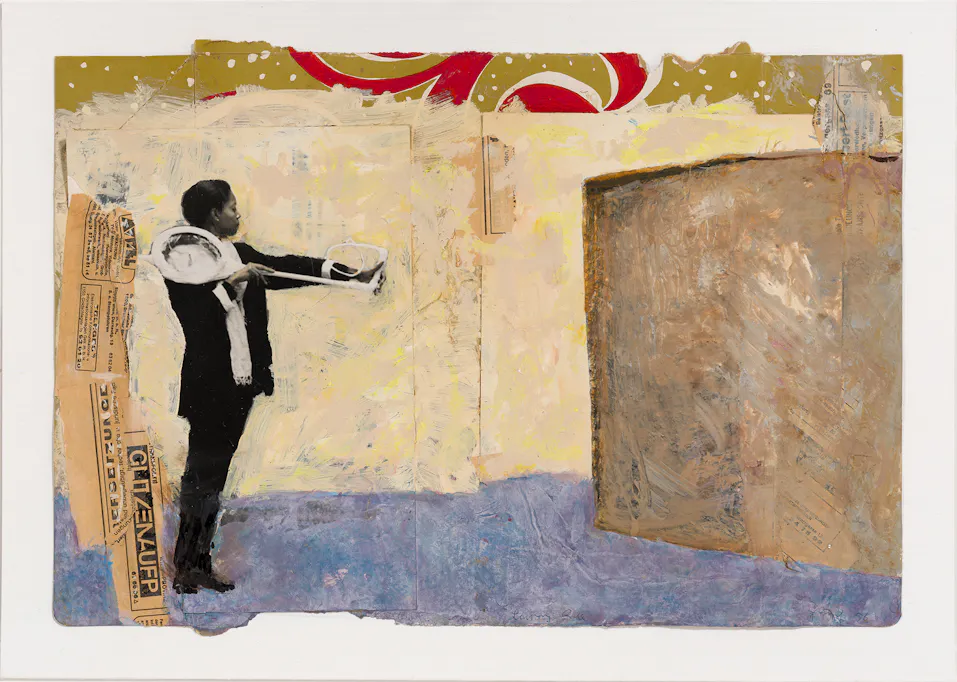
Franz West. The Revolution of Sculpture
Albertina Modern, Vienna
Franz West (1947–2012) never had much patience for sculpture that could only be looked at. Self-taught before he went on to study under Bruno Gironcoli, the Viennese artist began making strange, lumpy forms of plaster and papier-mâché in the mid-1970s, objects meant to be picked up, held and worn, and never stopped testing what a sculpture could be asked to do. Marking what would have been his 80th birthday, The Revolution of Sculpture traces that unruly career across sculpture, furniture, collage and drawing, all the way to the Golden Lion he received at the Venice Biennale in 2011 for his life’s work — and pays homage to an artist for whom art belonged not on a plinth but in people’s hands.
La sculpture qui ne se laisse que regarder n’a jamais beaucoup intéressé Franz West (1947-2012). Autodidacte avant de suivre l’enseignement de Bruno Gironcoli, l’artiste viennois commence, au milieu des années 1970, à façonner d’étranges formes bosselées en plâtre et en papier mâché, des objets faits pour être saisis, tenus, portés, et n’aura de cesse de mettre la sculpture à l’épreuve. À l’occasion de ce qui aurait été son 80e anniversaire, The Revolution of Sculpture retrace ce parcours indocile, de la sculpture au mobilier, du collage au dessin, jusqu’au Lion d’or que la Biennale de Venise lui décerne en 2011 pour l’ensemble de son œuvre. L’exposition rend ainsi hommage à un artiste pour qui l’art n’avait pas sa place sur un socle, mais entre les mains de tous.
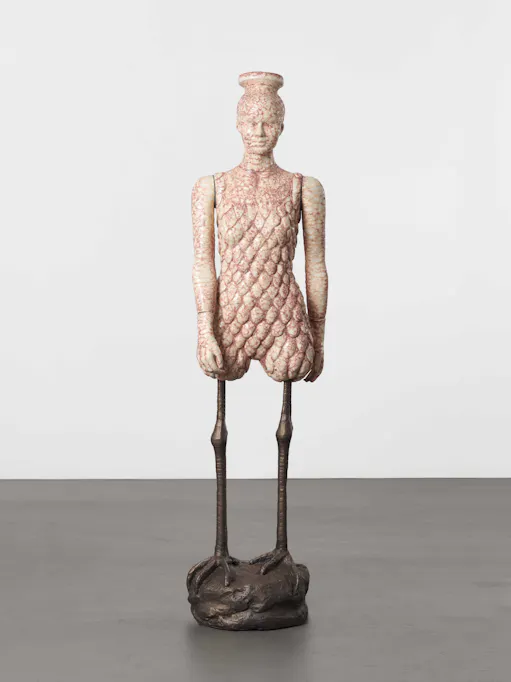
Re-Imaginings. Mai-Thu Perret and Una Szeemann
MASI, Lugano
Every museum collection holds more stories than it can tell at once, and MASI has invited two Swiss artists to draw out new ones. Mai-Thu Perret (b. 1976) and Una Szeemann (b. 1975) have each chosen works from the museum’s holdings to set alongside their own, in two solo shows conceived as one. Their practices differ, but both are drawn to myth and the natural world, to the passing of time and to the ways women have been imagined, and imagine themselves. Spilling into corners of the museum not usually open to exhibitions, Re-Imaginings is also the first show curated by MASI’s new director, Letizia Ragaglia, and a confident statement of where she means to take it.
Toute collection muséale recèle plus d’histoires qu’elle ne peut en raconter à la fois, et le MASI a invité deux artistes suisses à en faire surgir de nouvelles. Mai-Thu Perret (née en 1976) et Una Szeemann (née en 1975) ont chacune choisi des œuvres du fonds du musée pour les faire dialoguer avec les leurs, dans deux expositions personnelles pensées comme un tout. Leurs pratiques diffèrent, mais toutes deux s’intéressent au mythe et au monde naturel, au passage du temps et à la manière dont les femmes ont été imaginées, et s’imaginent elles-mêmes. Investissant des recoins du musée d’ordinaire réservés à d’autres usages, Re-Imaginings est aussi le premier projet signé par la nouvelle directrice du MASI, Letizia Ragaglia, et affirme avec assurance le cap qu’elle entend lui donner.
Nan Goldin. You Never Did Anything Wrong
Hayward Gallery, London
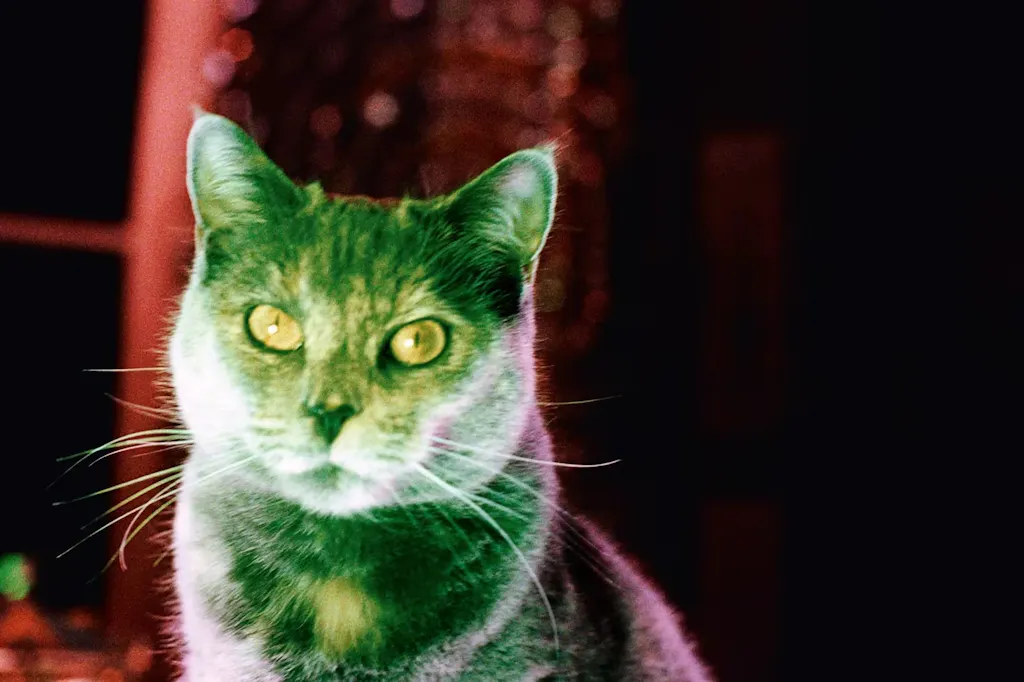
For five decades, Nan Goldin (b. 1953) has turned her camera on the people closest to her, her friends, her lovers, the downtown New York of the 1980s, and on the losses that came with them. Her first institutional exhibition in the UK since 2002 finds her gaze widening. At its heart is the two-part film that gives the exhibition its title, You Never Did Anything Wrong, in which she turns, for the first time, to animals and the natural world. Following the first part, which premiered in 2024, the second now has its public debut at the Hayward, alongside two other recent films and a selection of photographs, including new prints born of the same project. The intimacy is the same; only the subjects have changed.
Depuis cinq décennies, Nan Goldin (née en 1953) braque son objectif sur ses proches, ses amis, ses amants, le Downtown new-yorkais des années 1980, et sur les deuils qui ont jalonné ces années. Sa première exposition institutionnelle au Royaume-Uni depuis 2002 témoigne d’un regard qui s’élargit. Au cœur du parcours, le film en deux parties qui donne son titre à l’exposition, You Never Did Anything Wrong, où elle se tourne pour la première fois vers les animaux et le vivant. Après un premier volet présenté en 2024, le second est dévoilé au public à la Hayward Gallery, aux côtés de deux autres films récents et d’une sélection de photographies, dont de nouveaux tirages nés du même projet. L’intimité reste la même ; seuls les sujets ont changé.
Soundwalk Collective & Patti Smith. Correspondences
Triennale Milano
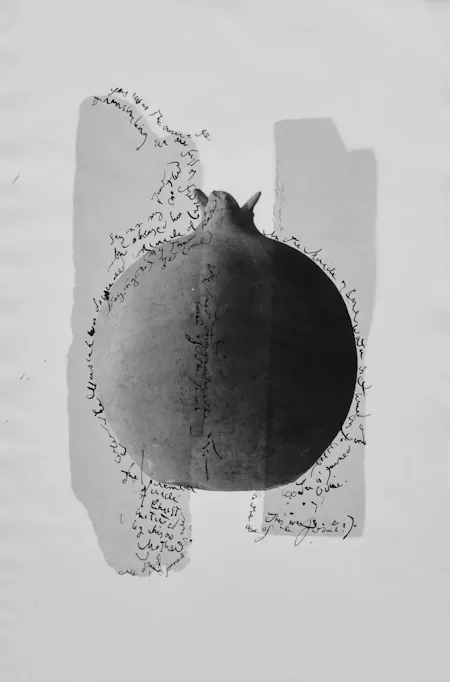
Soundwalk Collective, the duo of Stephan Crasneanscki and Simone Merli, begins every project by listening: travelling with microphones to sites that once inspired writers and thinkers, and to others now threatened by environmental and humanitarian crises. Their longtime collaborator, the poet and punk pioneer Patti Smith, answers those recordings with words. Over the years, the exchange has grown into a cycle of films in which sound, image and poetry meet as equals. Correspondences, the latest chapter of that dialogue, now arrives at Triennale Milano, fresh from Luma Arles and presented in partnership with the Fondation Cartier. It is an exhibition to listen to as much as to look at.
Soundwalk Collective, le duo formé par Stephan Crasneanscki et Simone Merli, aborde chaque projet par l’écoute : micro à la main, il se rend dans des lieux qui ont jadis inspiré écrivains et penseurs, et dans d’autres aujourd’hui menacés par des crises écologiques et humanitaires. Sa complice de longue date, la poétesse et pionnière du punk Patti Smith, répond à ces enregistrements par des mots. Au fil des ans, cet échange a donné naissance à un cycle de films où le son, l’image et la poésie se rencontrent d’égal à égal. Dernier chapitre de ce dialogue, Correspondences fait halte à la Triennale de Milan après Luma Arles, en partenariat avec la Fondation Cartier. Une exposition qui s’écoute autant qu’elle se regarde.
Sheila Hicks. In the Thread of Love
PAC, Milan
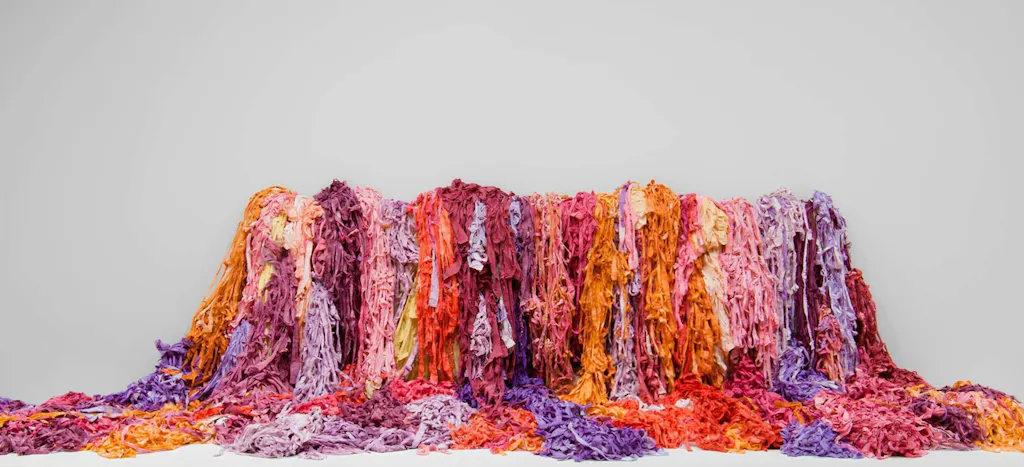
Sheila Hicks (b. 1934) has spent seven decades proving that thread can do anything paint can, and a good deal more. Trained as a painter under Josef Albers at Yale, she soon traded the brush for the loom, and has worked at every scale since, from pieces small enough to hold in one hand to cascades of colour that spill across walls and floors. In the Thread of Love, the artist’s first retrospective in Italy, brings together more than 200 works from major collections, alongside previously unseen pieces and a new commission for the PAC’s outdoor spaces. Seen together, they make the case that textile was never a lesser medium, only an underestimated one — and that, at 92, Hicks’s thread has yet to run out.
Depuis sept décennies, Sheila Hicks (née en 1934) prouve que le fil peut tout ce que peut la peinture, et bien davantage. Formée à la peinture auprès de Josef Albers à Yale, elle troque bientôt le pinceau contre le métier à tisser et travaille depuis à toutes les échelles, des pièces qui tiennent dans le creux de la main aux cascades de couleurs qui se déversent sur les murs et les sols. In the Thread of Love, première rétrospective de l’artiste en Italie, réunit plus de 200 œuvres issues de grandes collections, ainsi que des pièces inédites et une nouvelle création pour les espaces extérieurs du PAC. Réunies, elles démontrent que le textile n’a jamais été un art mineur, mais un art trop longtemps sous-estimé, et qu’à 92 ans, le fil de Sheila Hicks n’est pas près de s’épuiser.