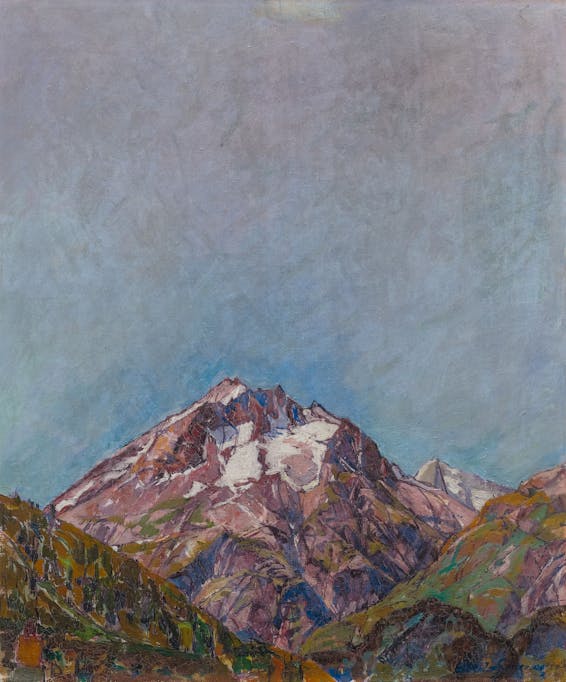
Alberto Giacometti. Faces and Landscapes of Home
Hauser & Wirth, St Moritz
Opening at the gallery’s St Moritz space this December, Faces and Landscapes of Home is a deeply personal exhibition that brings together paintings, sculptures, and drawings reflecting the lifelong engagement of Alberto Giacometti (1901-1966) with those closest to him — his parents, siblings, and his wife Annette — as well as the landscapes of Stampa and Maloja, his birthplace and a lifelong point of return. The exhibition is enriched by a selection of photographs by Ernst Scheidegger, Giacometti’s close friend and collaborator on his first book, who met the artist in Maloja in 1943 and went on to document his life and work for decades.
Inaugurée en décembre dans l’espace de la galerie à Saint-Moritz, Faces and Landscapes of Home est une exposition profondément personnelle, réunissant peintures, sculptures et dessins qui témoignent du lien intime qu’Alberto Giacometti (1901-1966) a entretenu tout au long de sa vie avec ses proches – ses parents, ses frères et sa sœur, ainsi que son épouse Annette – mais aussi avec les paysages de Stampa et de Maloja, où il est né et où il ne cessa de revenir tout au long de sa vie. Une sélection de photographies d’Ernst Scheidegger vient enrichir l’ensemble : ami fidèle de l’artiste et collaborateur de son premier livre, Scheidegger rencontra Giacometti à Maloja en 1943 avant de suivre pendant plusieurs décennies le cours de sa vie et l’évolution de son œuvre.
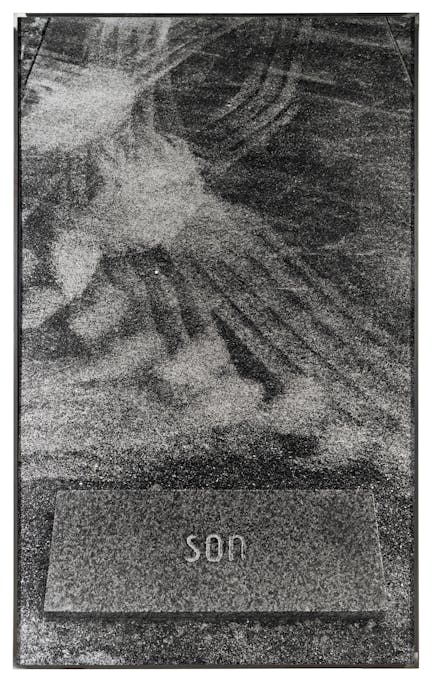
Sweeter Than Honey. Ein Panorama der Written Art
Pinakothek der Moderne, Munich
For the first time, the Modern Art Collection at the Pinakothek der Moderne presents a major special exhibition devoted to The Written Art Collection, bringing together more than 60 works in script- and text-based art. The selection spans generations and cultures, revealing the enduring significance of writing as both an artistic medium and material, while exploring the complex dialogue between text and image. Included are works by Etel Adnan, Jenny Holzer, Sophie Calle, Rirkrit Tiravanija, and Franz Kline, among others, presenting a panorama of artistic approaches from the mid-20th century to the present day, and highlighting how text has served not only as a vehicle for expression but also as a space for experimentation, reflection, and socio-political engagement.
Pour la première fois, la Modern Art Collection de la Pinakothek der Moderne présente une grande exposition spéciale consacrée à The Written Art Collection, réunissant plus de 60 œuvres d’art scriptural et textuel. La sélection traverse les générations et les cultures, révélant l’importance durable de l’écriture à la fois comme médium et comme matériau artistique, tout en explorant le dialogue complexe entre texte et image. Parmi les œuvres présentées figurent celles d’Etel Adnan, Jenny Holzer, Sophie Calle, Rirkrit Tiravanija et Franz Kline, offrant un panorama des démarches artistiques depuis le milieu du XXᵉ siècle jusqu’à aujourd’hui, et mettant en lumière la manière dont le texte a servi non seulement de véhicule d’expression, mais aussi d’espace d’expérimentation, de réflexion et d’engagement sociopolitique.
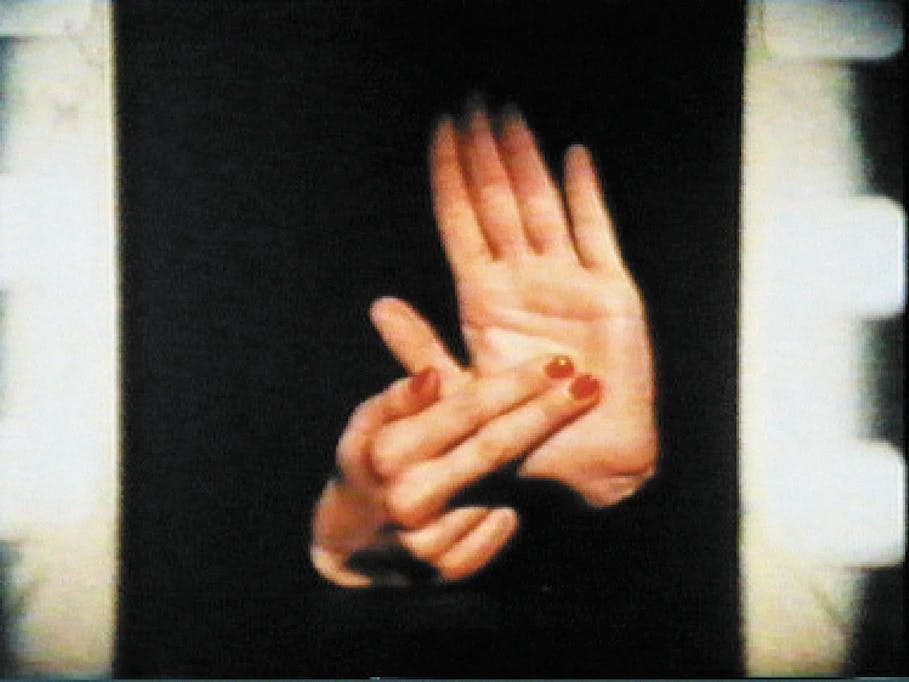
Valie Export & Ketty La Rocca. Body Sign
Thaddaeus Ropac Milan
Over decades of pioneering practice, Valie Export (b. 1940) and Ketty La Rocca (1938–1976) have been treating the body not just as a subject but as a medium: as a sign, as a material, as a communicative tool. In combining their work in one exhibition spanning photography, performance, film, installation, and text, Body Sign invites reflection on how two different trajectories — one Austrian, one Italian — despite their distinct approaches, converge in a shared impulse: to reclaim the female body as a site of meaning beyond patriarchal control and to explore alternative, embodied languages.
Valie Export (née en 1940) et Ketty La Rocca (1938‑1976) ont chacune, à leur manière, exploré le corps comme espace de création et de communication, bien au‑delà du simple rôle de sujet. L’exposition Body Sign, qui rassemble photographie, performance, film, installation et textes, met en lumière la rencontre de deux parcours distincts – l’un autrichien, l’autre italien –, mais unis par une même ambition : faire du corps féminin un lieu d’expression et de sens, affranchi des normes patriarcales, et inventer de nouveaux langages incarnés.
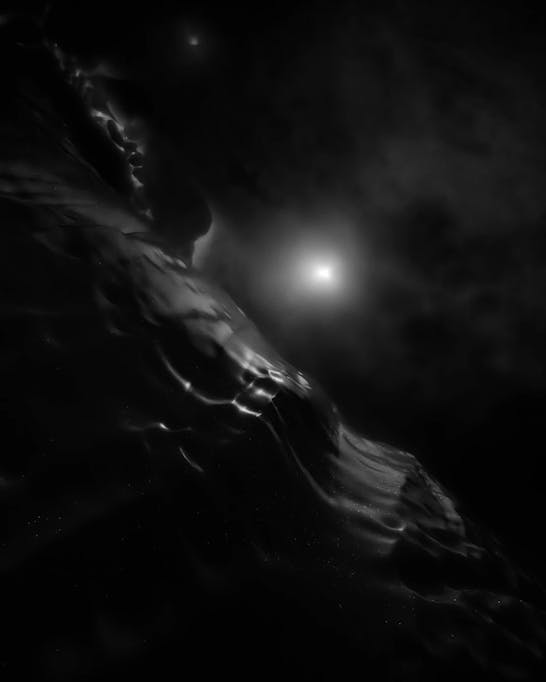
Julian Charrière. A Thousand Worlds
Galerie Tschudi, Zuoz
Working across photography, video, sculpture, and installation, Julian Charrière (b. 1987) investigates the intersection of human and geological time, exploring landscapes shaped by natural forces and human intervention. His projects — from melting glaciers to volcanic terrains and underwater ecologies — confront climate change, resource extraction, and ecological fragility, using poetic, research‑driven interventions to make visible what is often not. His upcoming exhibition, A Thousand Worlds, at Galerie Tschudi in Zuoz, will present a new chapter in his ongoing exploration of nature, memory and planetary futures.
Julian Charrière (né en 1987) travaille la photographie, la vidéo, la sculpture et l’installation pour explorer l’intersection entre temps humain et temps géologique, à travers des paysages façonnés par la nature et l’homme. Ses œuvres – glaciers en fusion, terrains volcaniques, écosystèmes sous-marins – interrogent le changement climatique, l’exploitation des ressources et la fragilité écologique, en rendant visibles ce qui l’est rarement. Sa prochaine exposition, A Thousand Worlds, à la Galerie Tschudi à Zuoz, ouvre un nouveau chapitre de son exploration de la nature, de la mémoire et des futurs planétaires.
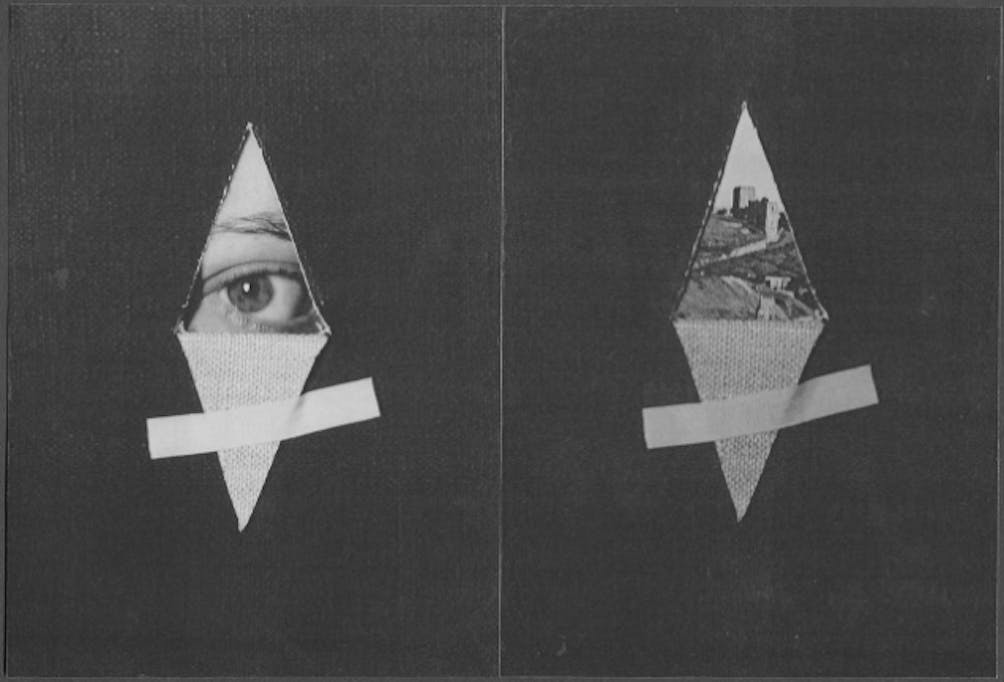
Edita Schubert. Profusion
Muzeum Susch
Frequently using humble materials and incorporating her own body into her creations, Edita Schubert (1947–2001) blurred the lines between art, life, and perception, transforming everyday gestures into profound artistic statements. Over the course of her career, she explored human relationships with the natural world, ventured into bold, trans-avant-garde painting, and later confronted the brutality of war through her collages. Profusion offers an immersive survey of the Swiss-Croatian artist’s practice, tracing the evolution from early hyperrealistic works to the installations and conceptual experiments that marked the final, deeply reflective phase of her career.
Souvent à l’œuvre avec des matériaux modestes et en intégrant son propre corps à ses créations, Edita Schubert (1947-2001) a fait voler en éclats les frontières entre art, vie et perception, transformant les gestes quotidiens en véritables œuvres artistiques. Au fil de sa carrière, elle a exploré les liens de l’homme avec le monde naturel, osé des peintures audacieuses dans l’esprit de la transavant-garde et confronté, à travers ses collages, la brutalité de la guerre. Profusion propose une plongée immersive dans la pratique de l’artiste suisse-croate, retraçant le parcours de ses premières œuvres hyperréalistes jusqu’aux installations et expériences conceptuelles qui ont marqué la dernière phase de sa carrière, profondément introspective et poétique.
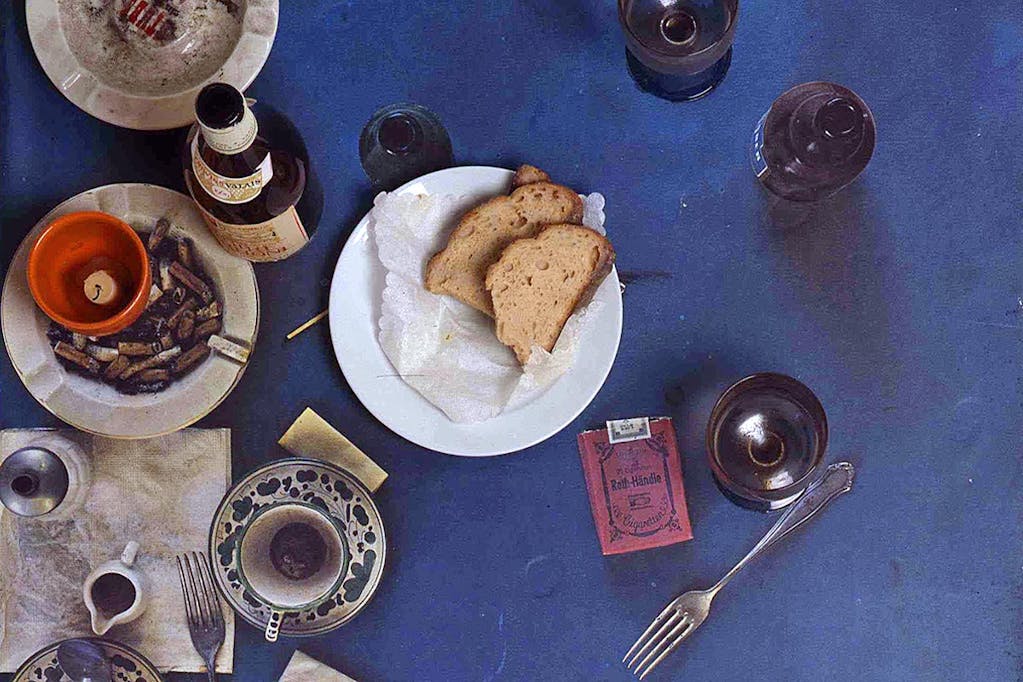
Daniel Spoerri. Wenn alle Künste untergehn …
Bündner Kunstmuseum, Chur
As a pioneer of the Eat Art movement, Daniel Spoerri (1930–2024) dedicated his life to exploring every facet of dining, culinary culture, and the rituals of the table, transforming the ephemeral, everyday act of eating into enduring works of art. One year after his passing in November 2024, the Bündner Kunstmuseum pays tribute to this remarkable figure of Swiss and international art with a commemorative exhibition that features representative works by Spoerri alongside an extensive selection of films, photographs, archival documents, and personal ephemera. Together, these materials illuminate the full spectrum of his artistic interests, from the meticulous preservation of the quotidian to the playful, conceptual experiments that challenged conventional boundaries between art, life, and consumption.
En tant que pionnier du mouvement Eat Art, Daniel Spoerri (1930–2024) a consacré sa vie à explorer toutes les facettes du repas, de la culture culinaire et des rituels de la table, transformant l’acte éphémère et quotidien de manger en œuvres d’art durables. Un an après son décès en novembre 2024, le Bündner Kunstmuseum rend hommage à cette figure remarquable de l’art suisse et international à travers une exposition commémorative qui réunit des œuvres représentatives de Spoerri ainsi qu’une vaste sélection de films, de photographies, de documents d’archives et d’objets personnels. Ensemble, ces matériaux mettent en lumière l’ensemble de ses préoccupations artistiques, depuis la préservation minutieuse du quotidien jusqu’aux expériences conceptuelles ludiques qui ont remis en question les frontières traditionnelles entre art, vie et consommation.
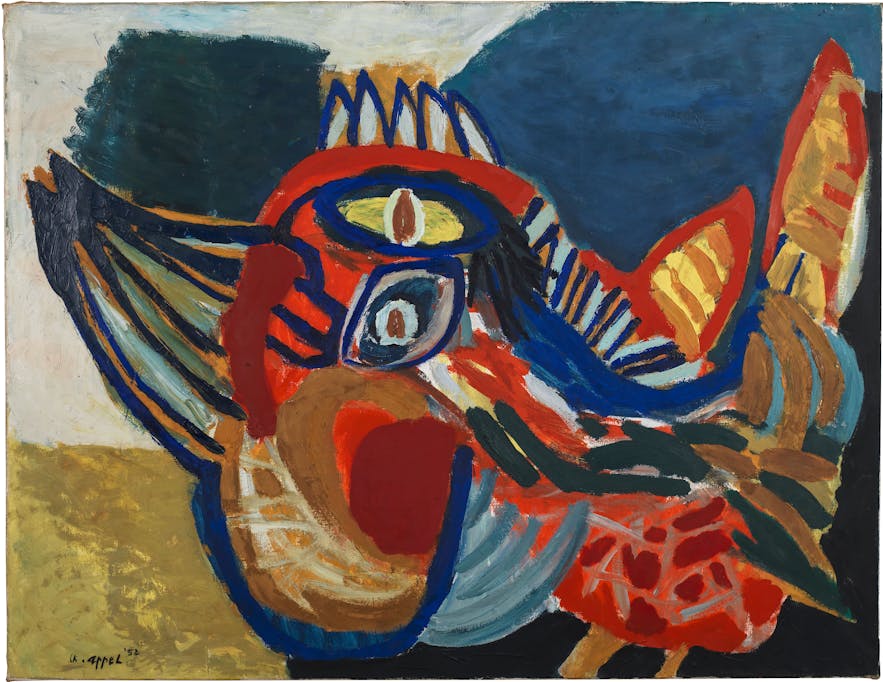
Stiftung Expressionismus
Kunstmuseum Bern
The Stiftung Expressionismus, a foundation created in 2007 by the art-collecting couple Hans-Rudolf and Silvia Tschumi, was established to supplement and enrich the Kunstmuseum Bern, focusing primarily on German and Swiss expressionist artworks, and to make them accessible to the public. For the first time, the entirety of the foundation’s collection is now being shown together in one location: 25 outstanding works by key figures such as Gabriele Münter, Karl Schmidt‑Rottluff, and Karel Appel, showcasing the collection’s historical depth and artistic significance, while highlighting the Tschumis’ commitment to bridging private passion and public cultural heritage.
La Stiftung Expressionismus, fondation créée en 2007 par le couple de collectionneurs Hans-Rudolf et Silvia Tschumi, a été établie pour compléter et enrichir les collections du Kunstmuseum Bern, en se concentrant principalement sur des œuvres expressionnistes allemandes et suisses, et pour les rendre accessibles au public. Pour la première fois, l’ensemble de la collection de la fondation est présenté au même endroit : 25 œuvres majeures de figures clés telles que Gabriele Münter, Karl Schmidt‑Rottluff et Karel Appel, révélant la profondeur historique et l’importance artistique de la collection, tout en soulignant l’engagement des Tschumi à transformer leur passion privée en patrimoine culturel accessible à tous.
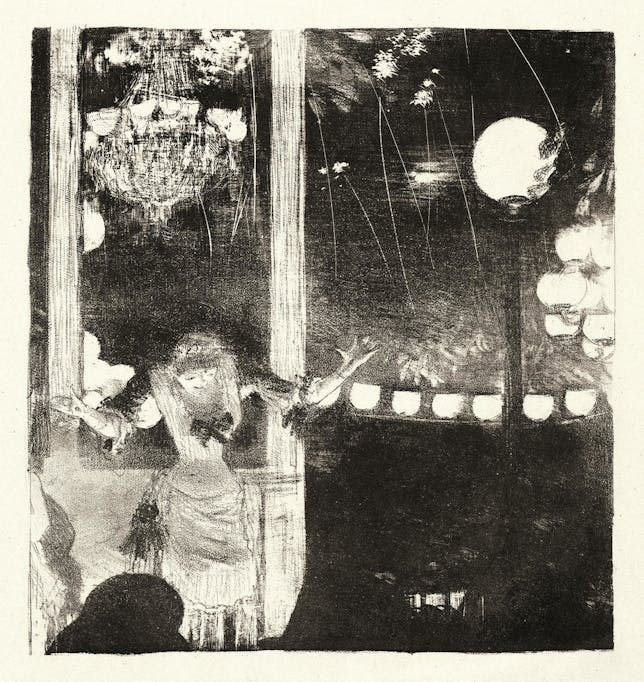
De Manet à Kelly. L'art de l'empreinte
Fondation Gianadda, Martigny
Spanning iconic figures such as Manet, Goya, Munch, Kollwitz, Vera Molnár, and Ellsworth Kelly — a total of 178 masterpieces from the collection of the Institut National d’Histoire de l’Art in Paris — De Manet à Kelly. L’art de l’empreinte celebrates the creativity of artists who, throughout the 19th and 20th centuries, explored the many possibilities of the print and the line, and traces the evolution of the printed image as a medium of experimentation, expression, and artistic dialogue. By juxtaposing historical and contemporary works, it illuminates how printmaking has continually redefined the boundaries between artistic invention and the act of making a mark on paper.
S’étendant sur des figures emblématiques telles que Manet, Goya, Munch, Kollwitz, Vera Molnár et Ellsworth Kelly, et rassemblant au total 178 chefs-d’œuvre issus de la collection de l’Institut National d’Histoire de l’Art à Paris, De Manet à Kelly. L’art de l’empreinte célèbre la créativité d’artistes qui, du XIXᵉ au XXᵉ siècle, ont exploré les multiples possibilités de l’estampe et du tracé. L’exposition retrace l’évolution de l’image imprimée comme médium d’expérimentation, d’expression et de dialogue artistique. En confrontant œuvres historiques et contemporaines, elle montre comment la gravure a sans cesse redéfini les frontières entre invention artistique et simple geste de laisser une trace sur le papier.